
Africa's Major Challenges in 2026
Navigating Peace, Trade, and Global Partnerships in a Critical Year
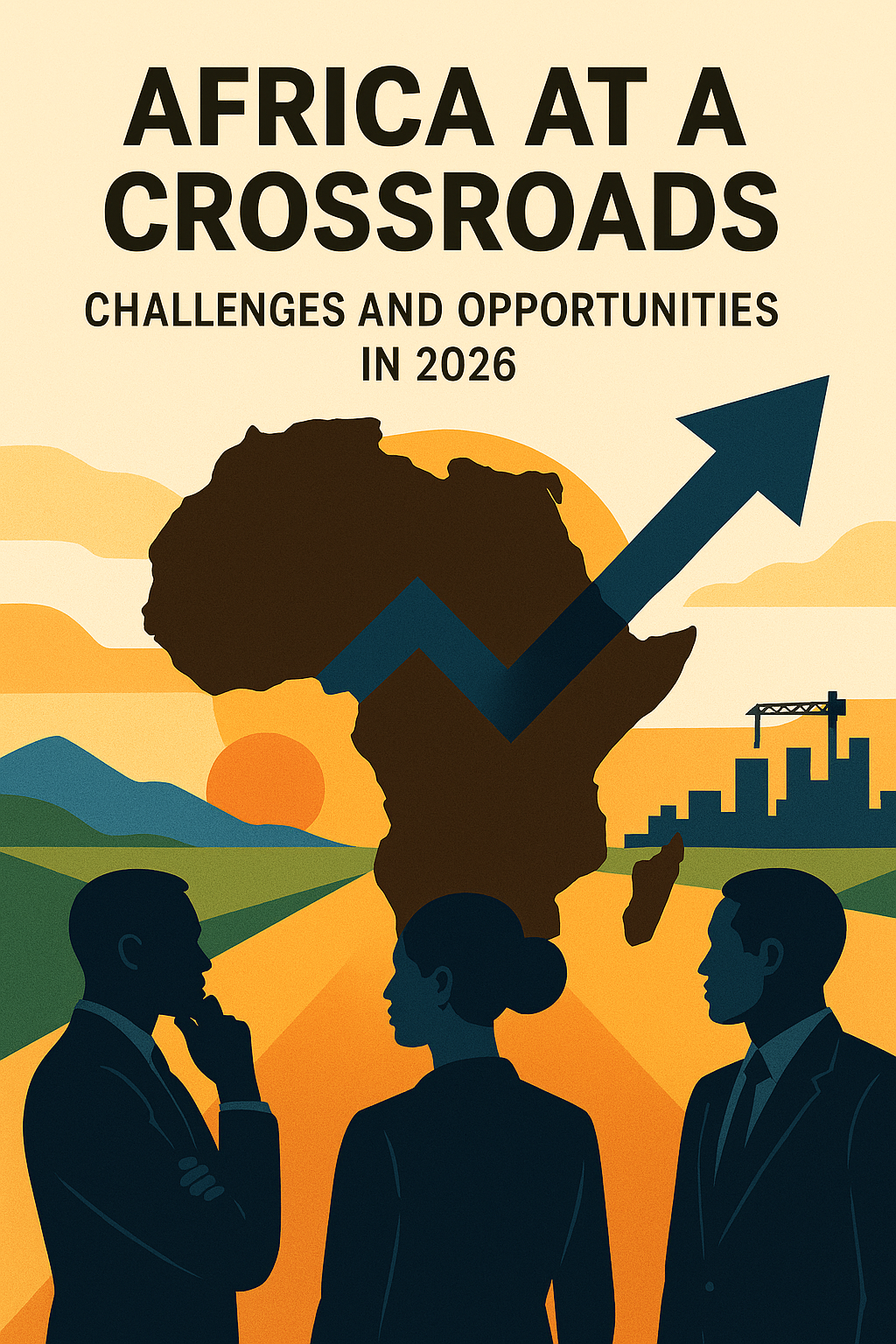
As 2026 unfolds, Africa stands at a pivotal crossroads. The continent faces a constellation of challenges and opportunities that will shape its trajectory for decades to come. From shifting leadership dynamics to evolving international partnerships, the year ahead demands visionary coordination and strategic foresight.
1. New African Union Leadership in Critical Times
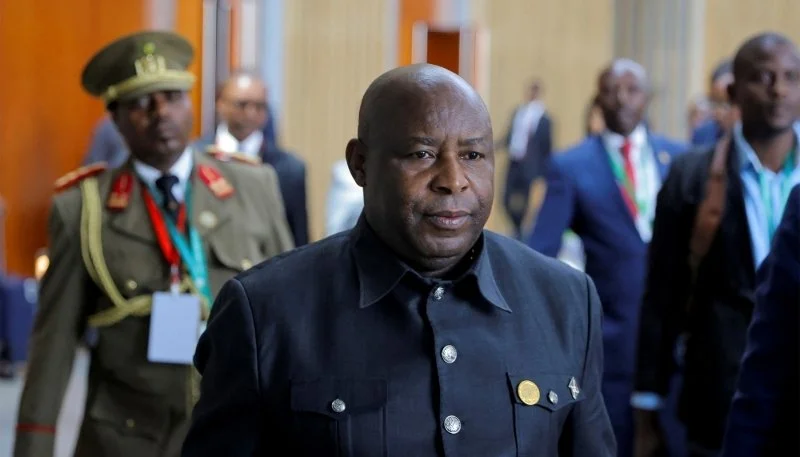
In February 2026, His Excellency Evariste Ndayishimiye, President of Burundi, will assume the chairmanship of the African Union for a one-year term. His tenure begins during a period of extraordinary complexity, both domestically and across the continent.
President Ndayishimiye faces significant regional challenges, including persistent political tensions with neighboring Rwanda and Burundi's active support for the FARDC in the ongoing conflict with AFC/M23. These domestic and regional pressures will test his ability to provide unified continental leadership.
Leadership Team: President Ndayishimiye will be supported by fellow African Heads of State and Government, along with H.E. Mahmoud Ali Youssouf, the newly elected Chairperson of the African Union Commission and his team.
Three Priority Challenges for 2026
2. The Peace Imperative: No Development Without Security
Peace remains a cherished but elusive reality for millions across Africa. While some regions experience stability and growth, others endure protracted conflicts that undermine human dignity, economic development, and regional cooperation. Several African countries continue battling high levels of insecurity driven by violent crime, terrorism, political unrest, weak governance, economic hardship, and rapid urbanization.
Critical Conflict Zones
Democratic Republic of Congo
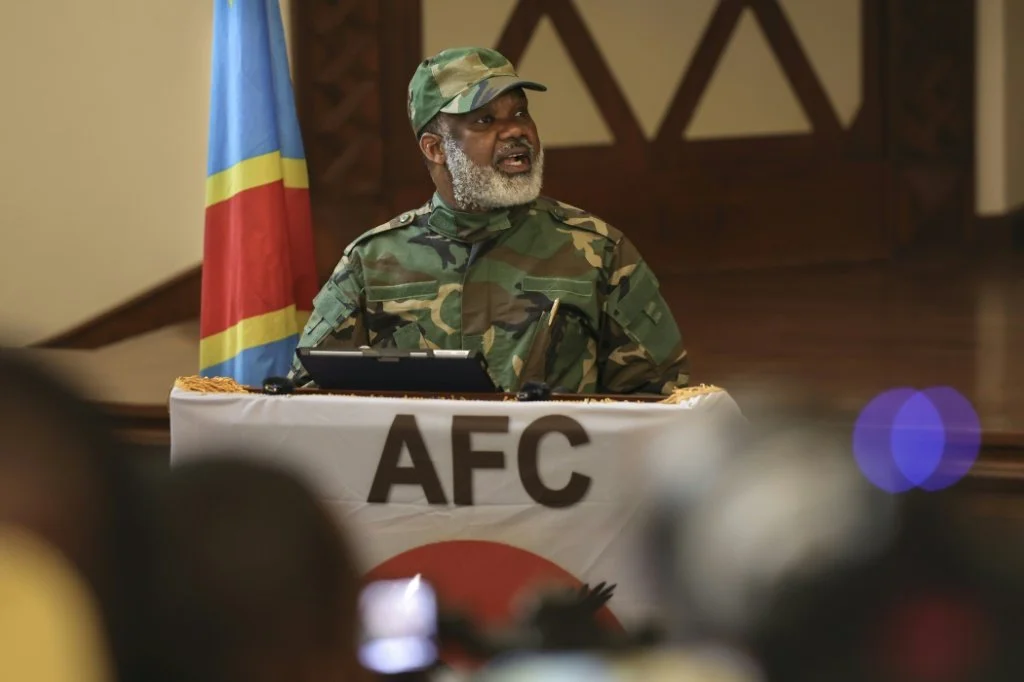
Renewed fighting involving AFC/M23 and regional actors persists despite African Union, US and Qatari mediation efforts, exposing the limitations of deal-driven diplomacy. Regional integration efforts remain jeopardized, and the African Continental Free Trade Area cannot function effectively amid ongoing violence. President Ndayishimiye will play a crucial role in continuing mediation efforts initiated by his predecessor, President João Lourenço of Angola.
Sudan
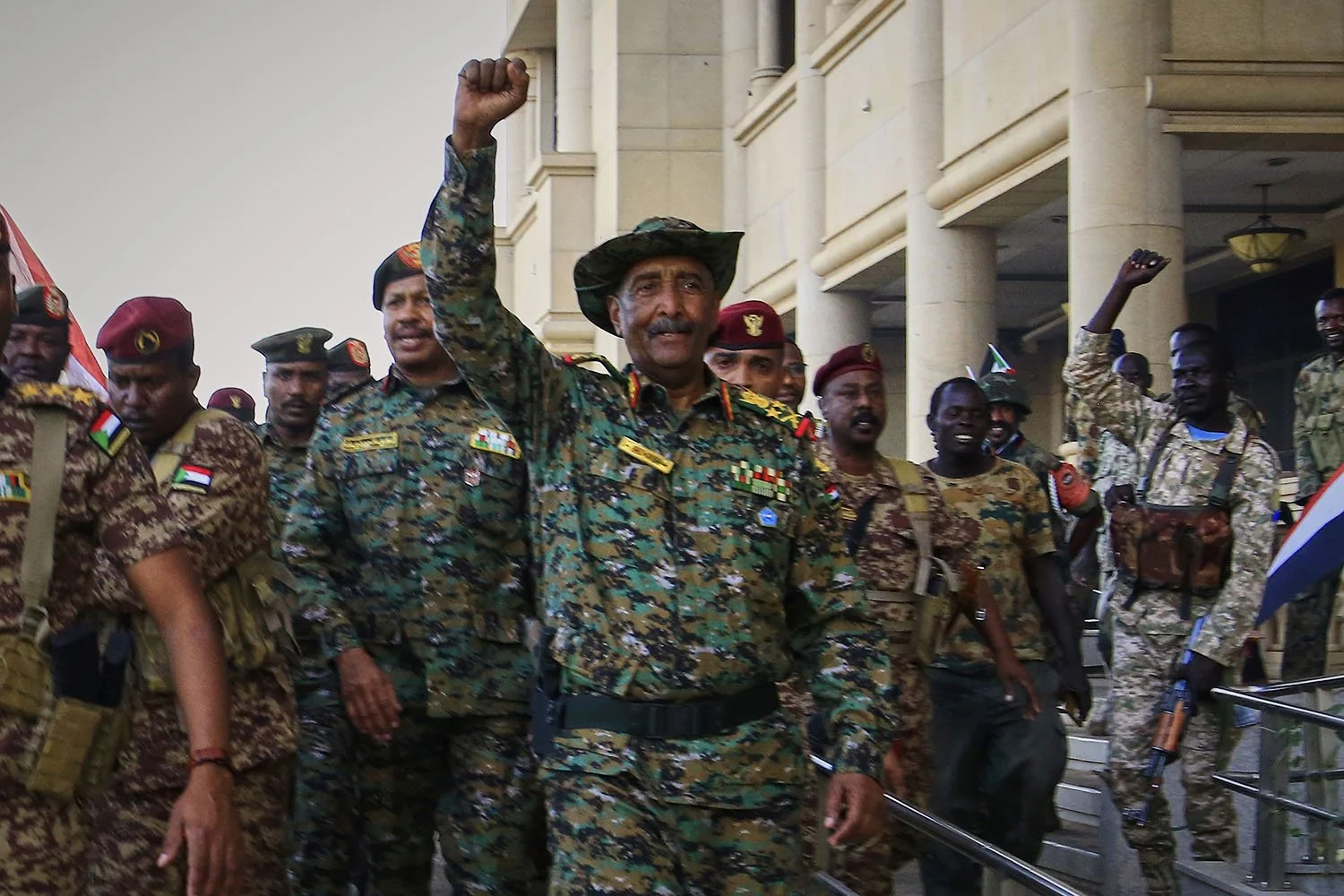
The war continues to fragment the state and deepen humanitarian crisis. Following the Sudanese Armed Forces' recapture of Khartoum from the Rapid Support Forces in March, ending nearly two years of paramilitary control, Sudan enters 2026 with shifting front lines and no clear path to resolution.
Ethiopia
Despite the 2022 Pretoria Agreement, insecurity persists while tensions with Eritrea have intensified over maritime access and sovereignty. The post-Pretoria landscape represents what scholars call 'negative peace' — an absence of large-scale hostilities that masks deep structural fissures. The National Dialogue Commission suffers from a legitimacy crisis, rendering it largely ineffective ahead of 2026 elections.
THE SAHEL REGION
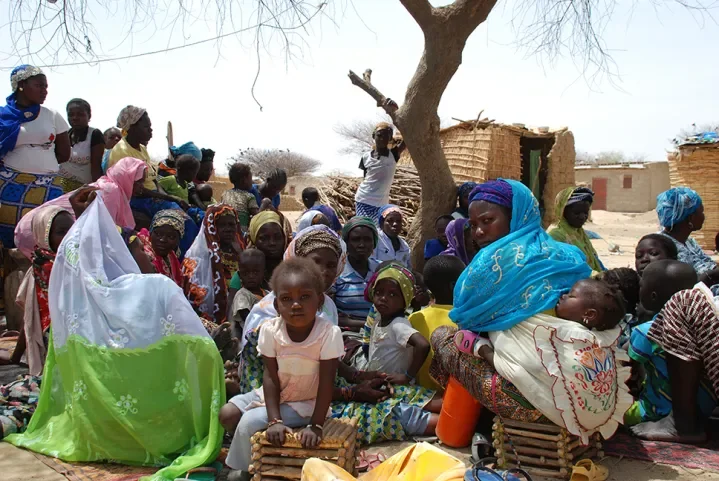
Due to its strategic position, the Sahel influences both regional and global dynamics. Colonial legacies and nomadic traditions have created weak, porous borders that facilitate the movement of armed groups, goods, and people. The resurgence of extremist activity in Mali, Burkina Faso, and Niger has displaced over 2 million people, affecting livelihoods and weakening regional stability with consequences extending far beyond Africa.
Libya
Libya remains locked in prolonged political impasse marked by competing authorities, delayed elections, and sustained foreign involvement. Rival governments and security structures operate in parallel, limiting unified institutional control. While large-scale conflict has been contained, the absence of a nationally-driven political settlement leaves Libya's sovereignty constrained and long-term stability uncertain.
Nigeria
Nigeria faces a severe insecurity crisis in 2026, characterized by widespread violence, humanitarian challenges, and significant impacts on civilians and the economy.
Electoral Vulnerabilities and Democratic Transitions
Many of Africa's 2026 elections — both presidential and local — will unfold amid deep-seated security fragility and institutional weakness. Countries holding elections include Benin, Somalia, Ethiopia, Zambia, South Africa, and the Republic of Congo. Additionally, preparations for 2027 elections will begin in Burundi, Angola, Kenya, and Nigeria, creating extended periods of political uncertainty.
The Gen-Z Political Awakening
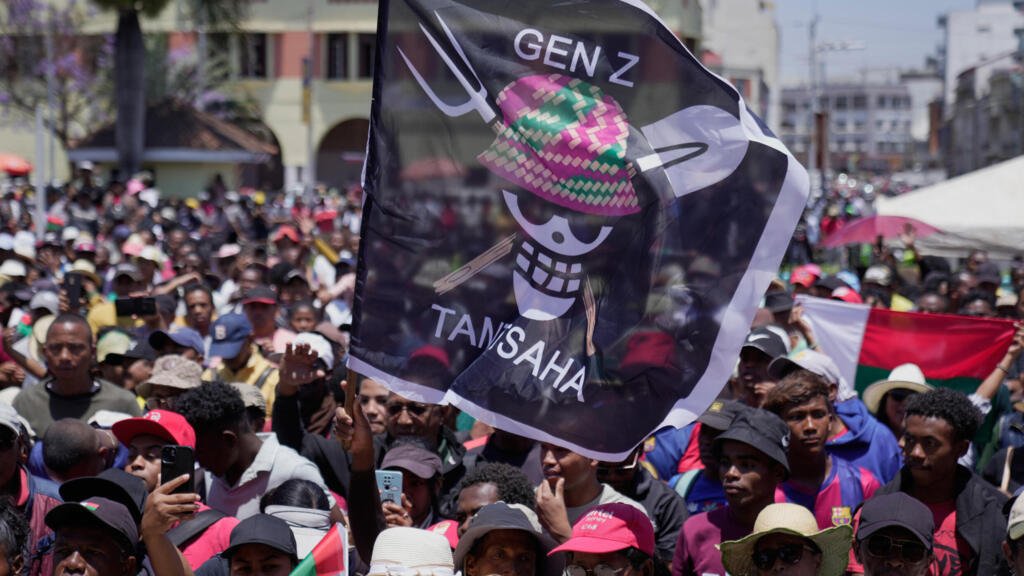
A digitally networked Generation Z movement is reshaping political discourse and challenging governance failures across Africa. In 2025, youth-led protests surged across geographies, languages, and political systems — from West Africa to the Maghreb and the Indian Ocean. Generation Z consistently led these uprisings, demanding accountability and systemic change.
Bloomberg Economics' model flags Ethiopia, the Central African Republic, Angola, and the Republic of Congo as countries at heightened risk of civil unrest in 2026.
The critical question is not whether youth will rise again, but whether their voices will translate into lasting institutional change.
3. African Continental Free Trade Area: Promise and Progress
The African Continental Free Trade Area (AfCFTA), launched on January 1, 2021, has made limited progress since its inception. Intra-African trade currently accounts for only 15-18% of Africa's total trade, compared to 59% in Asia and 68% in Europe.
KEY STATISTICS
Current Intra-African Trade: 15-18%
Asian Intra-Regional Trade: 59%
European Intra-Regional Trade: 68%
Projected Increase by 2045: +45%
Expected GDP Growth: +1.2%
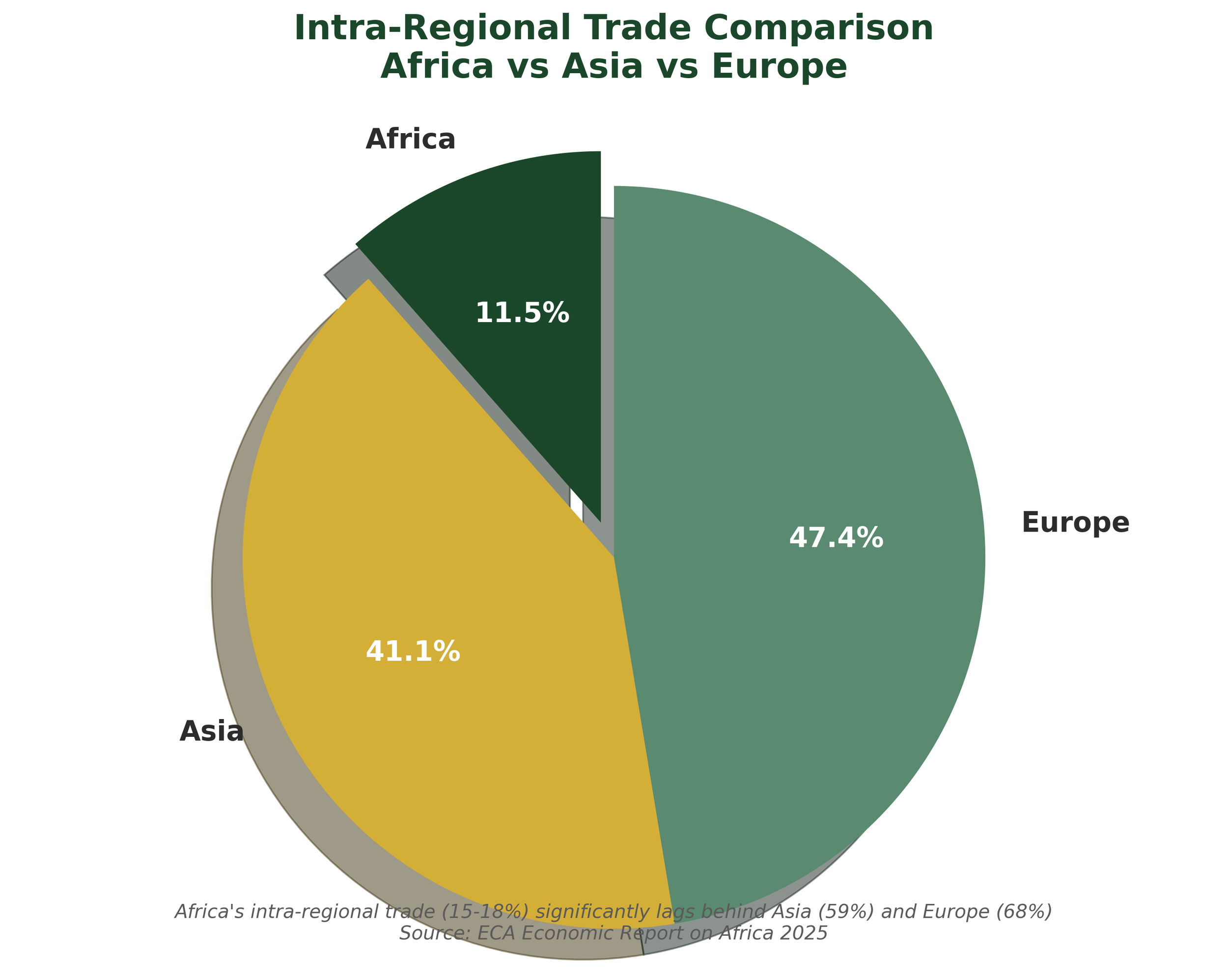
According to the ECA Economic Report on Africa 2025, AfCFTA is projected to increase intra-African trade by 45% by 2045 and raise Africa's GDP by 1.2%. The agreement aims to stimulate commerce, promote industrialization, enhance competitiveness, and advance regional integration objectives.
AfCFTA represents a critical step toward realizing both the 2030 Agenda for Sustainable Development and Agenda 2063's vision of 'The Africa We Want' — a prosperous and peaceful continent. However, active conflicts, infrastructure deficits, and implementation challenges continue to impede progress. The success of AfCFTA hinges on establishing peace, building transport networks, and ensuring genuine political commitment across member states.
4. Evolving US-Africa Relations: From Aid to Investment
The United States remains an important economic partner for Africa, though trade volumes remain modest. In 2024, US-Africa trade totaled approximately $63 billion, a decline from $83.4 billion in 2022. The US maintained a trade surplus of $4.1 billion, exporting $33.6 billion while importing $29.5 billion from Africa.
US exports to Africa grew 8% year-over-year, while African exports to the US declined by 21%, underscoring a complex dynamic of expanding yet unbalanced commercial ties. This trade level remains substantially lower than China-Africa commerce.
A New Transactional Approach
In 2026, US-Africa relations will be characterized by a shift from traditional aid dependence to a transactional, investment-led approach under the 'America First' policy framework. Key elements include the one-year extension of the African Growth and Opportunity Act (AGOA), alongside new initiatives to secure critical minerals and build strategic infrastructure.
Guiding Principle: "Select countries to ameliorate conflict, foster mutually beneficial trade relationships and move from supplying aid to encouraging investment and economic growth."
The 18th U.S.-Africa Business Summit, scheduled for Mauritius in July 2026, will define a new roadmap for US-Africa business partnership. The Summit will convene African Heads of State and Government, Ministers, high-level officials, CEOs, and senior executives to explore investment, trade, and commercial opportunities aligned with this new paradigm.
5. China-Africa Relations: A New Economic Chapter
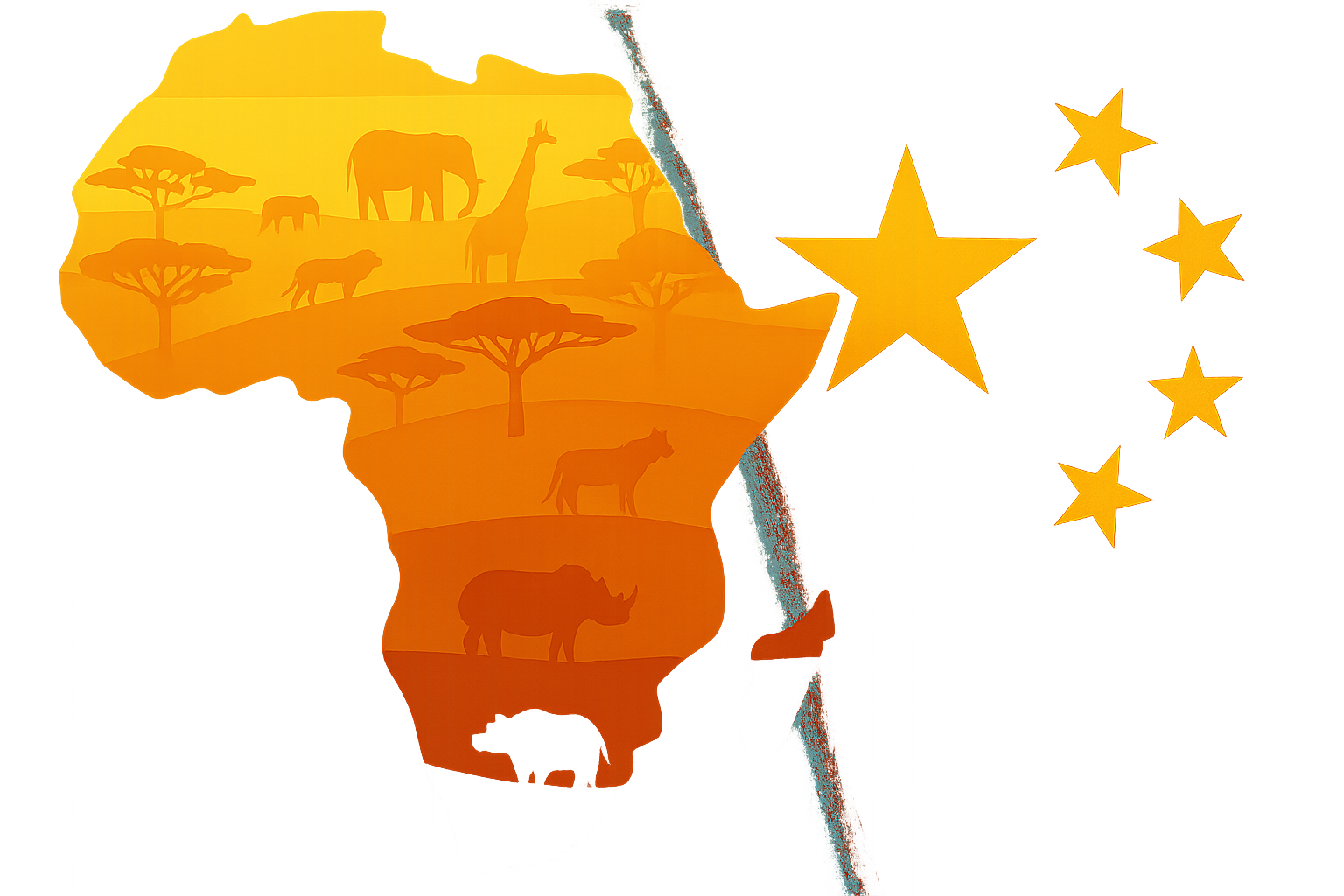
The relationship between Africa and China has evolved into a comprehensive partnership characterized by strong economic ties, political cooperation, and cultural exchanges. China is now Africa's largest trading partner and creditor. The African Union has decided to shift this relationship from a focus on aid and infrastructure toward a more strategic partnership aligned with Agenda 2063 and long-term development goals.
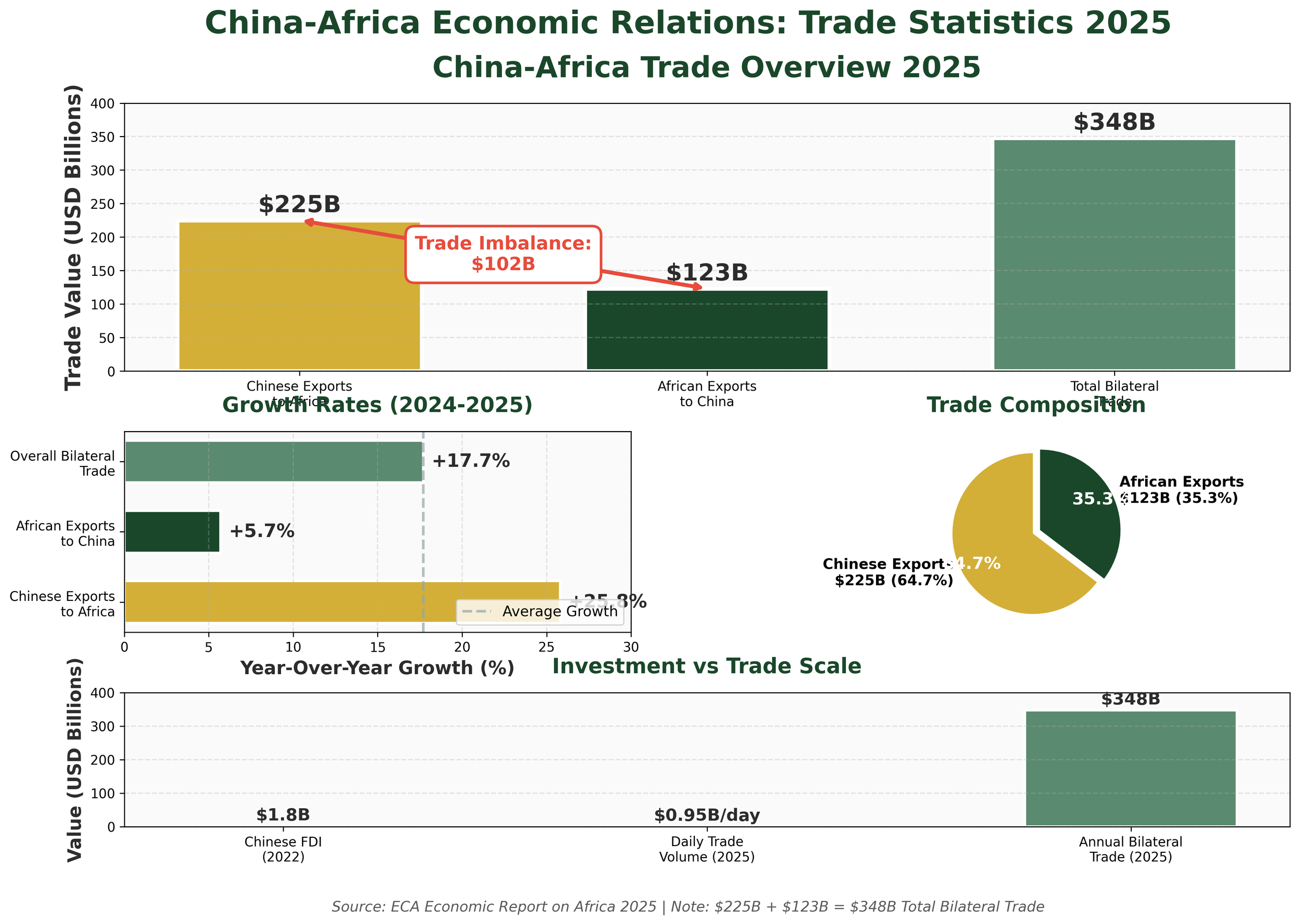
CHINA-AFRICA TRADE STATISTICS
Bilateral Trade (2025): $348 billion
Year-Over-Year Growth: +17.7%
Chinese FDI (2022): $1.8 billion
Chinese Exports to Africa (2025): $225 billion (+25.8%)
African Exports to China (2025): $123 billion (+5.7%)
Zero-Tariff Initiative and Trade Facilitation
China announced that starting May 1, 2026, it will implement zero tariffs for exports from 53 African countries. Additionally, China has committed to accelerating the conclusion of an economic agreement that will facilitate African goods entering the Chinese market through various tools and mechanisms.
This deep economic integration means that developments in China create ripple effects across Africa. The ongoing trade tensions between China and the United States consequently impact African economies as well.
Debt Sustainability Concerns
A central priority is making debt more sustainable and manageable. Africa's debt stock is roughly 43% private, 34% multilateral, and 23% bilateral, with China being the largest bilateral lender. African countries are working to secure more concessional, lower-interest financing to avoid the costly loans that contributed to debt crises in the 1990s. Policymakers recognize that poorly managed debt can undermine sovereignty and resilience.
Looking Ahead: The next Forum on China-Africa Cooperation (FOCAC) is scheduled for 2027 in the Republic of the Congo.
6. Russia-Africa Relations: Ethiopia as Diplomatic Hub
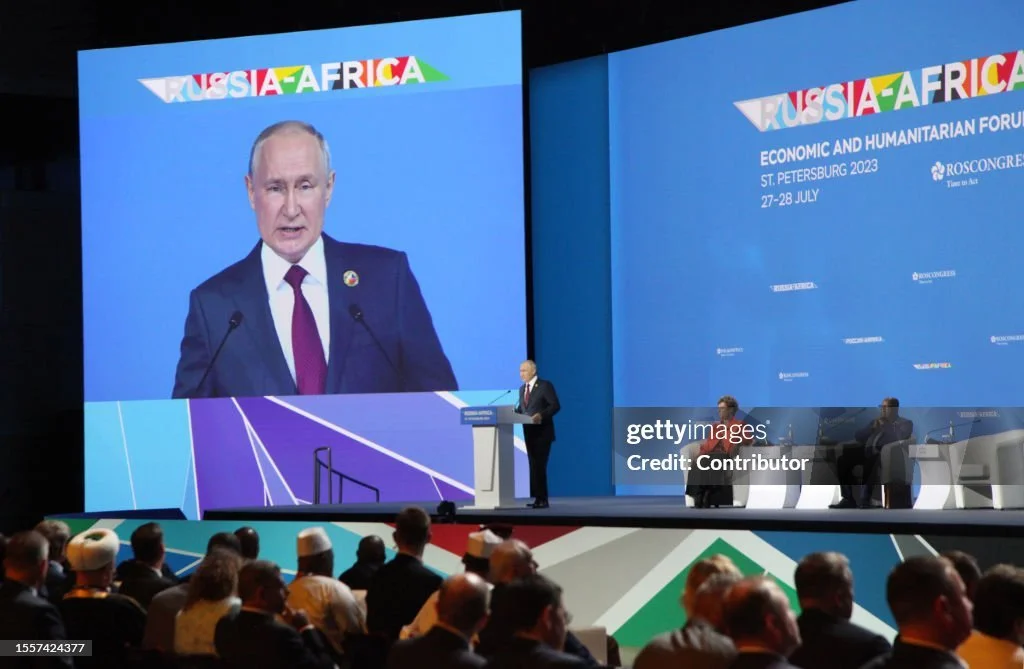
Ethiopia will host the 2026 Russia-Africa Summit, marking a major diplomatic milestone for both the country and the continent. By securing the third summit, Ethiopia cements its role as a crucial hub for international diplomacy and cooperation.
With preparations already underway between Ethiopian and Russian officials, this event will foster stronger political, economic, and strategic relations between Africa and Russia, further enhancing Ethiopia's global position. The Ethiopia Russia-Africa Summit represents more than diplomacy — it symbolizes Africa's growing influence on the global stage and Ethiopia's leadership in driving continental progress.
As international attention turns to Addis Ababa, Ethiopia is positioning itself to guide Africa into a new era of unity, progress, and opportunity through enhanced cooperation and investment partnerships.
7. European Union Partnership: From Aid to Alignment
The European Union-Africa partnership rests on four strategic pillars: a prosperous and sustainable future; peace, security, and governance; migration and mobility; and a renewed commitment to multilateralism.
Recently, the EU announced a EUR 4.7 billion investment package, largely focused on the green energy transition. The Africa-Europe Investment Package, launched under Global Gateway, will mobilize up to €150 billion in public and private investments to boost sustainable growth across the continent.
At their recent meeting in Angola, both Unions (EU and AU) agreed to reconvene in 2027 to further their shared vision. There is a palpable sense that the nature of partnership is evolving — less about aid, more about alignment; less about charity, more about choices.
8. Diaspora Remittances: A Growing Development Tool
The African Diaspora has emerged as a significant development partner for countries across the continent. Policies are being established to allow immigrants to remain connected with and contribute to their native countries while residing abroad, diminishing loss of identity and separation from origins.
African governments are actively reaching out to their diaspora communities. Ghana, Nigeria, Senegal, and South Africa have launched comprehensive plans to incorporate diaspora as partners in development projects. Several countries — including Ethiopia, Ghana, Mali, Nigeria, Rwanda, Senegal, Tanzania, and Uganda — have established institutions at the agency or ministerial level to facilitate diaspora engagement.
DEVELOPMENT FINANCE COMPARISON (2024)
Diaspora Remittances: $91 billion
Official Development Assistance: $74 billion
Foreign Direct Investment: $97 billion
In its 2025 report titled 'Demystifying Africa's dependence on foreign aid,' the Mo Ibrahim Foundation highlighted that while development aid from historical donors is declining, remittances from the Diaspora have increased substantially. At $91 billion — compared to $74 billion in Official Development Assistance and $97 billion in Foreign Direct Investment — remittances represent a valuable complement or alternative to traditional development finance.
Conclusion: Leadership for Africa's Future
The challenges and opportunities facing Africa in 2026 — coupled with intensifying geopolitical interests — demand visionary leadership capable of coordinating diverse visions while placing Africa's interests at the center of all considerations.
The task ahead is formidable. The political, economic, and geostrategic landscape requires concerted and coordinated efforts from the President of the African Union, fellow African Heads of State and Government, the President of the Commission and his team, as well as the African people through civil society organizations, media, and the diaspora — all aligned with Agenda 2063 and the global 2030 Agenda for Sustainable Development.
From the United States to China, Russia to the European Union and beyond, Africa is being courted by multiple powers, each offering different terms of engagement. The continent must ensure that all these partnerships benefit African people first and foremost.
Africa's agency, unity, and strategic vision will determine whether 2026 marks a turning point toward genuine prosperity and peace, or another chapter of missed opportunities. The decisions made this year will echo across generations.
Andre Nikwigize
Founder and Executive Director
Partners for Peace and Prosperity
