
De-dollarization Accelerates: Africa’s Strategic Role in China’s New Payment System
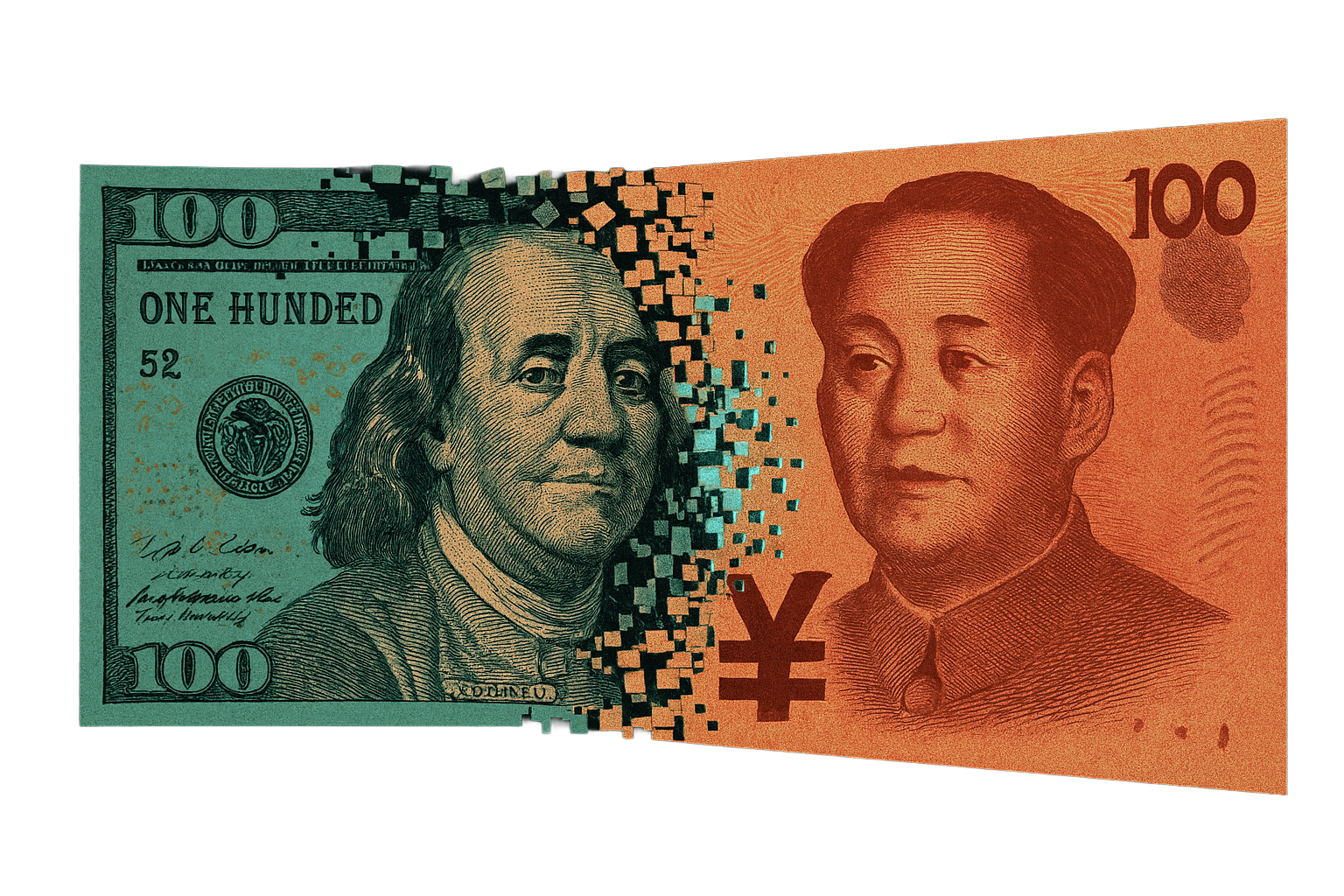
Africa and China’s New Money Highway: A Quiet Power Shift?
China’s yuan payment network is opening a new lane for African trade. It won’t replace the dollar overnight, but it could change who holds the keys to the global cash register.
What’s really changing
For decades, most big transactions—from oil and copper to smartphones—have been settled in U.S. dollars and routed through Western banks. China now offers another route: the Cross-border Interbank Payment System (CIPS), a yuan-based network that lets banks message and settle payments in one place. For African partners trading with China, that means fewer currency hops, fewer delays, and sometimes fewer fees.
On the ground, momentum is real. South Africa’s Standard Bank is now a direct participant in CIPS, giving African firms a cleaner path to pay and get paid in yuan. Afreximbank has connected too, which matters because it serves trade finance across the continent. Egypt and Nigeria already have currency swap lines with China, allowing them to settle more trade in yuan when it makes sense. Meanwhile, China is expanding zero‑tariff access for many African exports, and fresh investment—like hundreds of millions of dollars in Angolan agriculture—is binding the systems closer together.
Why this matters to everyday life
When payments are smoother, goods can be cheaper and arrive faster. Cutting out extra currency steps can lower costs for importers and exporters. It also reduces exposure to swings in U.S. interest rates and gives governments more room to plan. In simple terms: more ways to move money means fewer ways to get stuck.
What this is not
This isn’t an overnight replacement of the global system. The dollar still dominates trade and finance, and most African economies will use several currencies for a long time. CIPS can even interact with SWIFT when needed. Think of this as a parallel lane opening up—not the highway being rebuilt from scratch.
The open question
There’s a trade‑off to watch. Reduced dependence on the dollar could mean increased reliance on China. Who sets the rules if more transactions run on Chinese rails? How will smaller African banks access yuan liquidity in tough times? These questions don’t have final answers yet, and how leaders respond will shape the impact for years.
The road ahead
If Africa plays this moment well, the payoff could be real financial sovereignty: the ability to fund critical infrastructure, buy fertilizer and machinery, and sell commodities without bottlenecks—and without being forced into a single currency channel. Expect a gradual shift, not a dramatic flip. More trade invoices may be priced in yuan, especially where supply chains are China‑centric. Pan‑African systems like PAPSS could link with CIPS to make regional trade cheaper and faster. Over time, a more multipolar setup may emerge, with the dollar, euro, and yuan sharing space.
The risk is new dependence. To avoid that, transparency, competitive bidding, and solid regulation are essential. Africa’s strongest hand will come from keeping options open—using CIPS when it’s efficient, the dollar when it’s cheaper, and regional currencies when it helps local industry. The story isn’t about picking sides. It’s about building leverage.
In short: Africa is stepping onto the main stage of global finance. Whether it claims the spotlight—or just changes who holds the spotlight—depends on choices made now, quietly, in central banks and cabinet rooms across the continent.
