
AFRICA’S UNTAPPED POWER: WHY YOUTH MUST SHAPE THE ROAD TO 2030
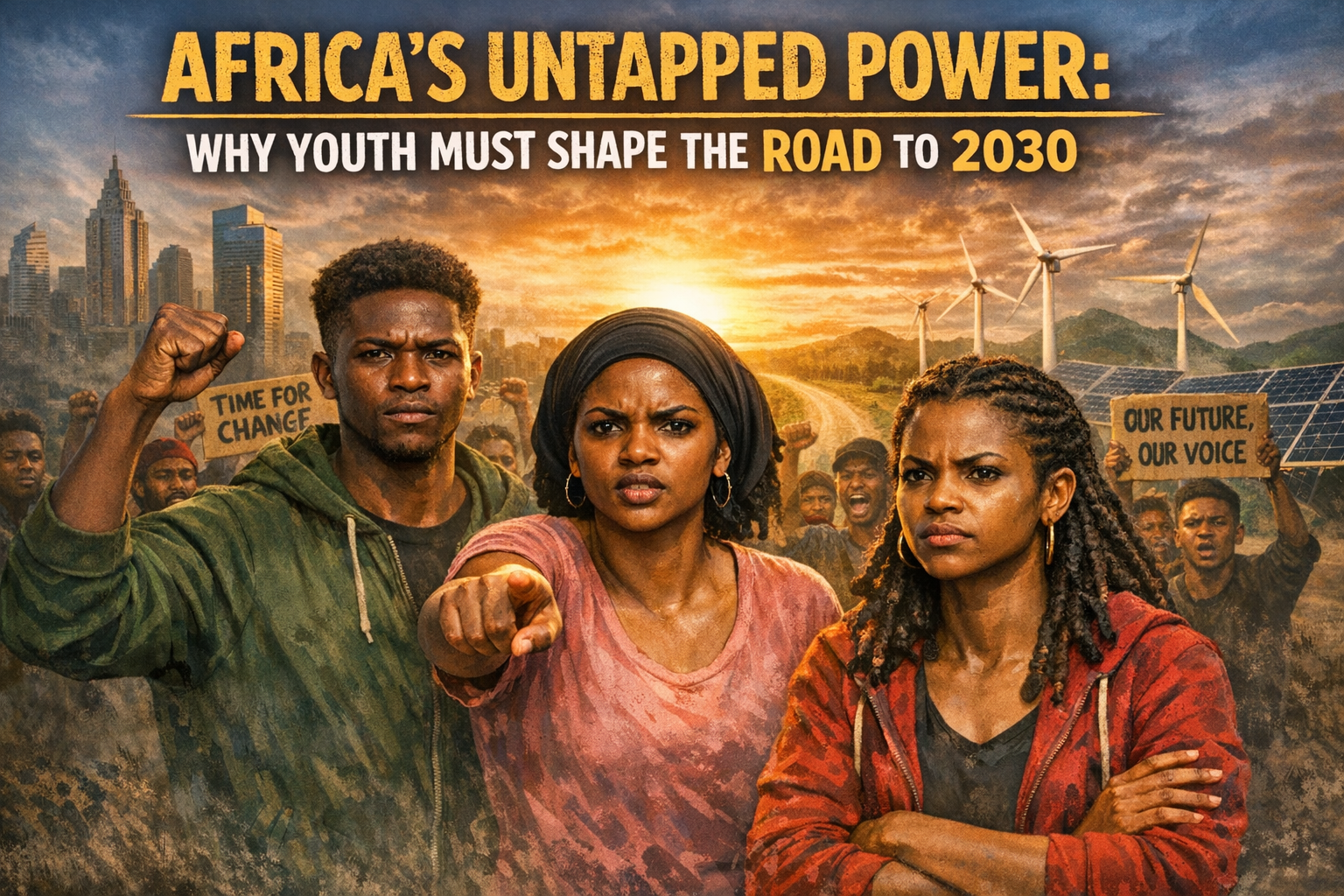
From 14 to 16 April 2026, ECOSOC will convene the annual Youth Forum at United Nations Headquarters in New York, under the theme: “Innovate, Unite and Transform: Youth Shaping the Road to 2030.”
With 2030 fast approaching, the global spotlight is turning toward accelerating the Sustainable Development Goals — and the indispensable role of young people in building sustainable, inclusive, and peaceful societies.
Yet a critical question remains: How much influence do young people truly have in policymaking and decision‑making spaces?
THE WORLD’S YOUNGEST CONTINENT
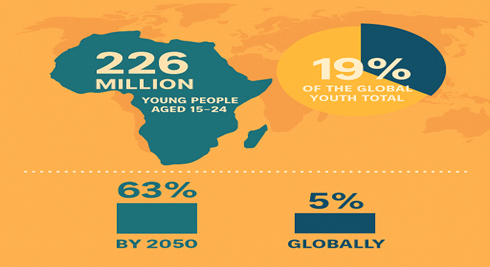
Few regions embody the urgency of this question more than Africa. Consider the scale:
226 million Africans are between the ages of 15 and 24.
Africa accounts for 19% of the world’s youth — the youngest population on Earth.
By 2050, this demographic will grow by 63%, compared to just 5% globally.
Each year, 10–12 million young Africans enter the labor market.
7–9 million of them remain unemployed or trapped in low‑paid, low‑productivity informal work — a staggering 70–75%.
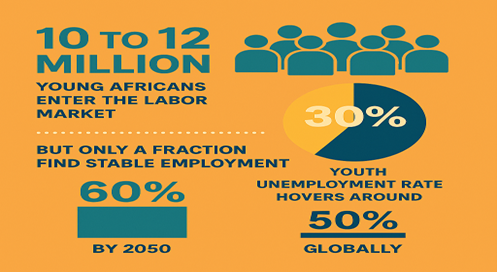
This is not just a statistic. It is a warning.
Neglecting 70–75% of the continent’s most valuable human capital — its creativity, energy, and economic potential — is a direct threat to Africa’s future.
THE COST OF NEGLECT
The NEET crisis (Not in Employment, Education, or Training) is already reshaping economies and societies:
Lost GDP: Billions vanish annually in unrealized productivity.
Brain Drain: Skilled youth migrate, draining local economies of talent.
Informal Economies: Young people build parallel systems outside formal structures, weakening tax bases and regulatory oversight.
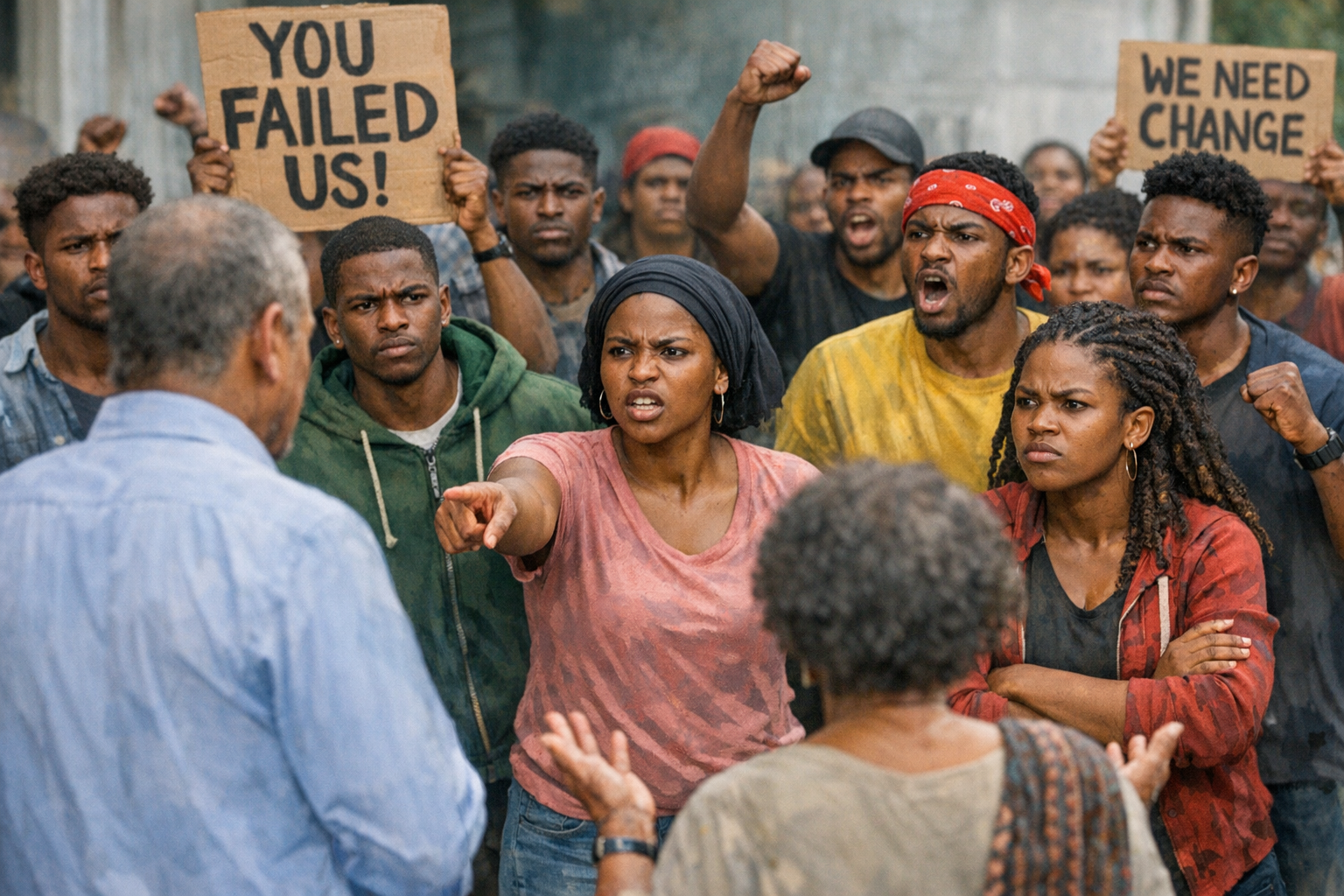
Instability: Economic frustration fuels protests, unrest, and in extreme cases, radicalization.
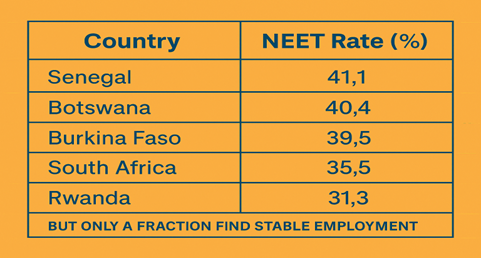
Despite their demographic weight, young people remain severely underrepresented in policymaking. The perception — and often the reality — that their interests are ignored has deepened mistrust toward national governments and the multilateral system.
UNLOCKING A CONTINENT’S POTENTIAL
Africa’s youth are not waiting for permission. They are bold, innovative, and determined — building businesses, reshaping culture, and redefining what leadership looks like.
To harness this momentum, governments and institutions must:
Invest in youth‑led enterprises, cooperatives, and innovation hubs.
Create inclusive financial systems that expand access to credit, capital, and markets.
Reform education to align with future‑ready skills and entrepreneurial pathways.
Include youth in economic policy design — not as beneficiaries, but as architects.
When excluded, youth can become a force of disruption.
When empowered, they become the engine that propels an entire continent.
BEYOND TOKENISM: A CALL TO ACTION
To truly unlock Africa’s demographic dividend, symbolic gestures are no longer enough. Youth must be invited into the core of economic decision‑making, policy design, and global governance — not as observers, but as co‑creators.
The multilateral system stands at a crossroads. Expanding space for youth leadership and embedding their voices into the architecture of global collaboration is not just a moral imperative — it is a strategic one.
A world shaped with youth at the table is more just, more resilient, and more visionary.
THE FUTURE IS A PARTNERSHIP
It is time for genuine intergenerational dialogue and structures that equip young people to lead the world of tomorrow.
Don’t talk down to us — talk with us, eye to eye.
Let us imagine, design, and build the future together.
