
is the East african Community IN DANGER OF DESINTEGRATION ?
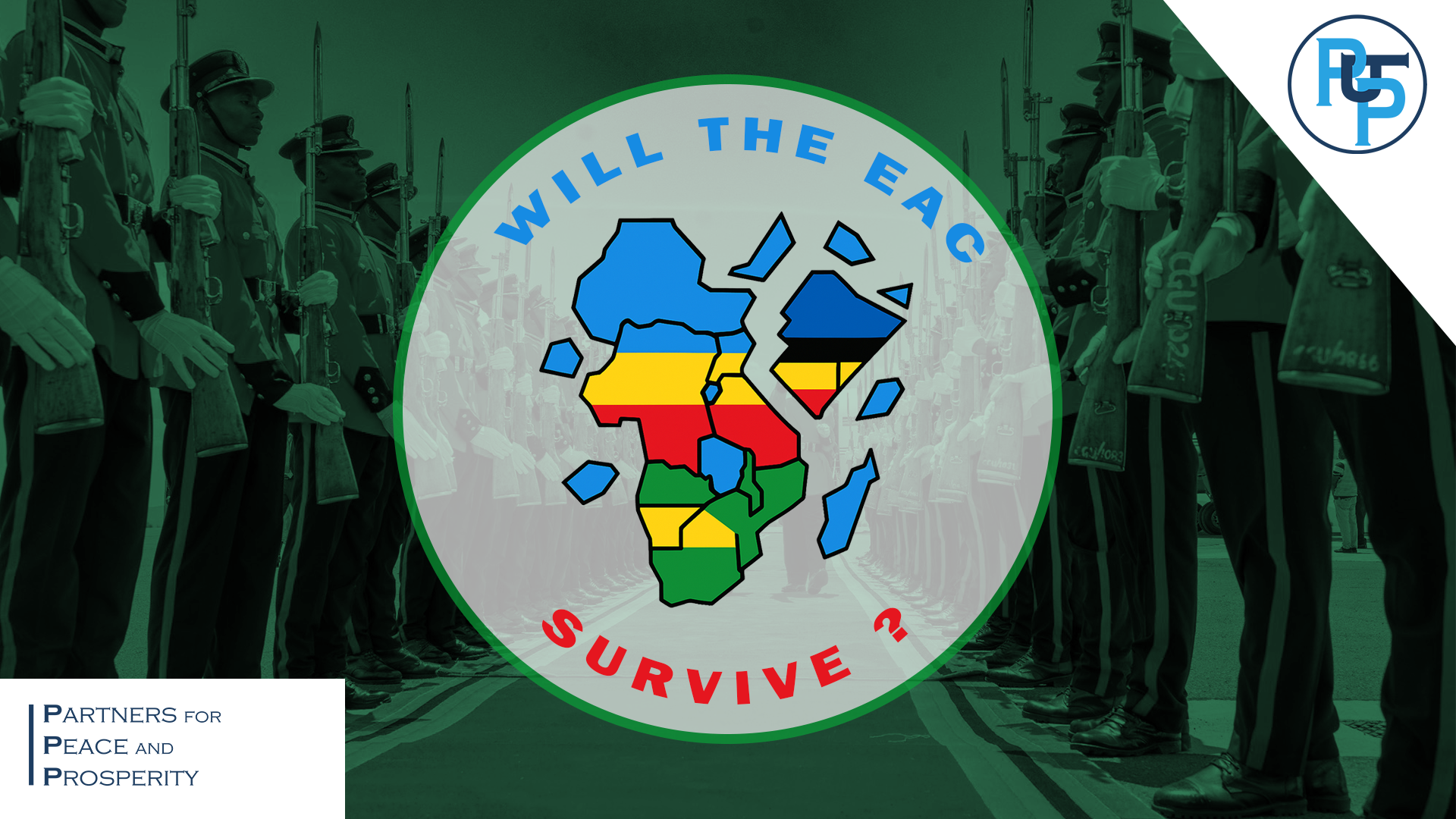
Is the East African Community (EAC) at risk of collapse?
This pressing question looms large as political tensions, security challenges, and financial instability threaten the very foundation of regional cooperation. Conflicts between member states, coupled with mounting unpaid contributions, have severely hampered the Community’s operations, raising concerns about its future. For many, the current turmoil evokes unsettling memories of 1977, when similar struggles led to the dissolution of the EAC—only for it to be revived 23 years later. Are we witnessing history repeat itself, or can the region navigate these challenges and emerge stronger?
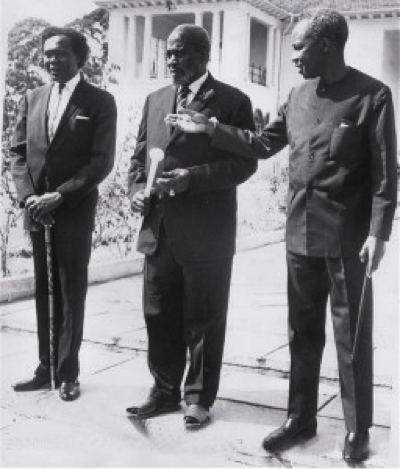
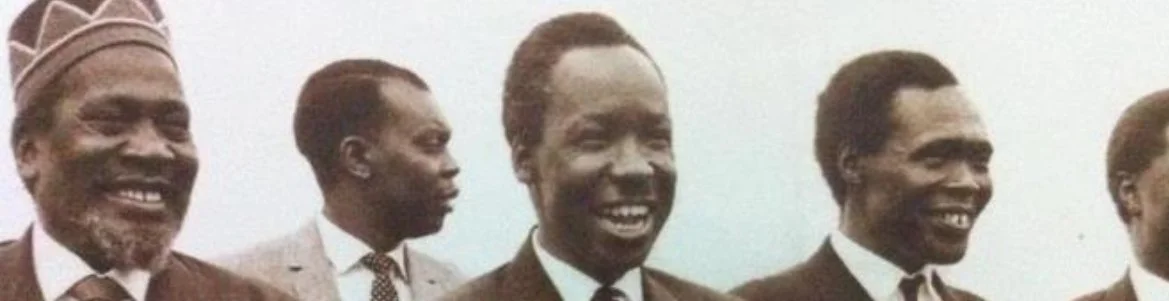

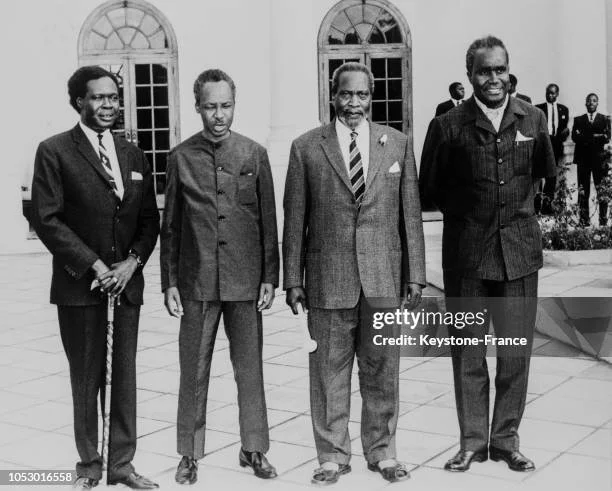
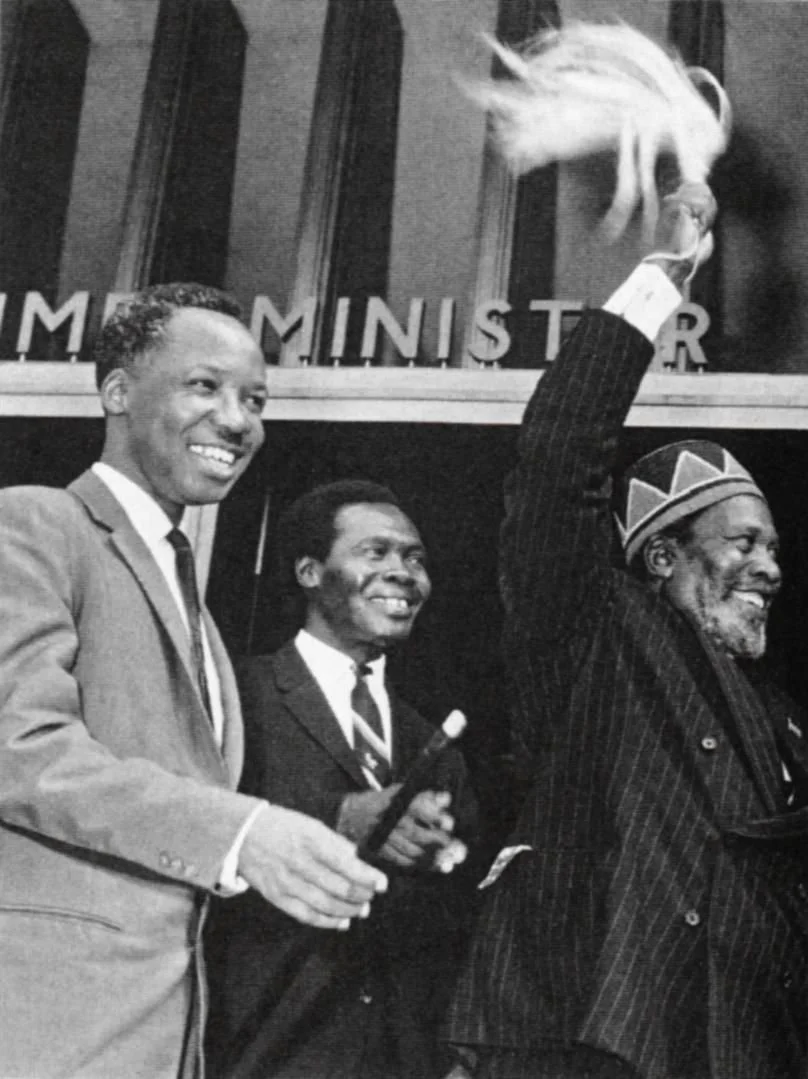
1977: The Year the East African Community Crumbled Under Pressure
The East African Community's disintegration in 1977 was the result of deep-seated political, economic, and ideological conflicts among member states. Several factors contributed to the collapse:
Power Struggles Over Representation – Kenya demanded greater influence in decision-making, arguing for more seats within the Community’s governance structures, which fueled tensions with Tanzania and Uganda.
Economic Imbalances – Tanzania voiced concerns over Kenya’s economic dominance, claiming that Kenyan businesses benefited disproportionately from the regional market, creating friction over trade policies.
Security Conflicts Between Member States – Ugandan President Idi Amin Dada accused Tanzanian leader Julius Nyerere of harboring forces opposed to his government, turning political disagreements into direct security threats.
Diverging Political Ideologies – The ideological divide between socialism and capitalism deepened fractures within the Community, with Tanzania advocating socialist policies while Kenya and Uganda promoted capitalist-driven economic systems.
Financial Instability – Persistent arrears in member contributions crippled the Community’s operations, leading to budget shortfalls and a gradual breakdown of institutional functions.
These tensions remained unresolved for six years, during which Heads of State stopped meeting, political conflicts intensified, and the Community’s programs ground to a halt. By 1977, the organization had officially collapsed, marking the end of a once-promising regional bloc.
1. The Revival and Expansion of the EAC

The revival of the East African Community (EAC) on July 7, 2000 marked a significant turning point in regional cooperation. After 23 years of disintegration, the Heads of State of Kenya, Tanzania, and Uganda made the historic decision to restore the bloc, ushering in a new era of integration and economic collaboration.
Since its rebirth, the EAC has undergone several phases of expansion:
July 6, 2007 – The Community welcomed Rwanda and Burundi, strengthening regional ties and expanding its economic reach.
September 5, 2016 – South Sudan joined the bloc, further integrating East Africa’s newest independent nation.
March 28, 2022 – The Democratic Republic of Congo (DRC) became a member, significantly increasing the EAC’s territorial coverage and economic influence.
August 14, 2024 – The Federal Republic of Somalia officially entered the Community, making it an eight-member regional bloc.
This steady growth has transformed the EAC into a powerful collective, now representing 343 million people with a combined GDP of $350 billion USD, strengthening the foundation for deeper trade, economic, and political unity.
2. The EAC’s Pillars of Integration and Ambitious Goals
The expansion highlights the EAC’s commitment to fostering a cohesive and expansive regional bloc that reflects the economic and social aspirations of East Africa. Over the years, the EAC has also made significant strides in integration through the establishment of its four pillars:
Customs Union, enabling free movement of goods across borders.
Common Market, facilitating economic cooperation and labor mobility.
Monetary Union, setting the groundwork for a single currency.
Political Federation, envisioned as the final step toward complete integration.
A community that would be strengthened by more inter-regional trade, a Customs Union, common external tariffs, a single currency, an EAC Passport, and, later, a Political Federation.
3. The Growing Political and Regional Conflicts
The Escalating Conflict in Eastern Democratic Republic of Congo (DRC)
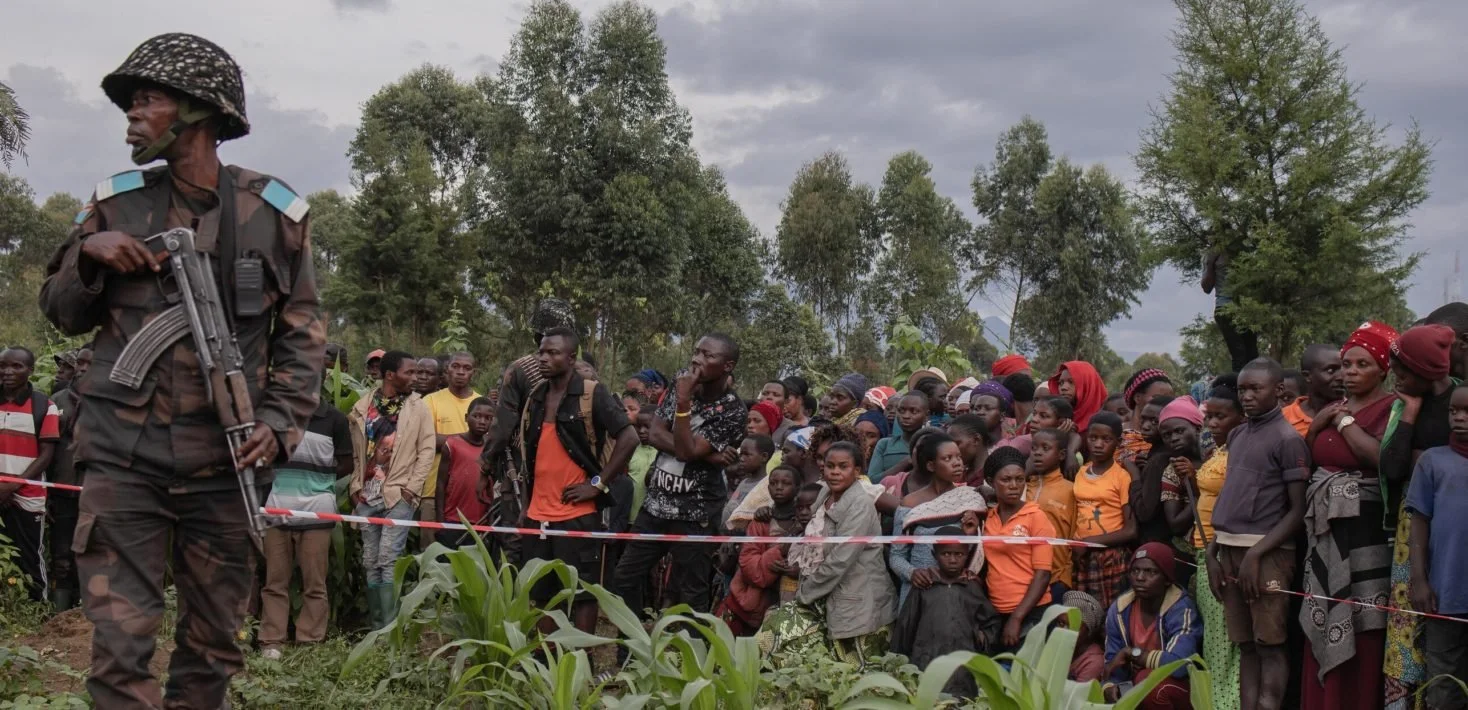
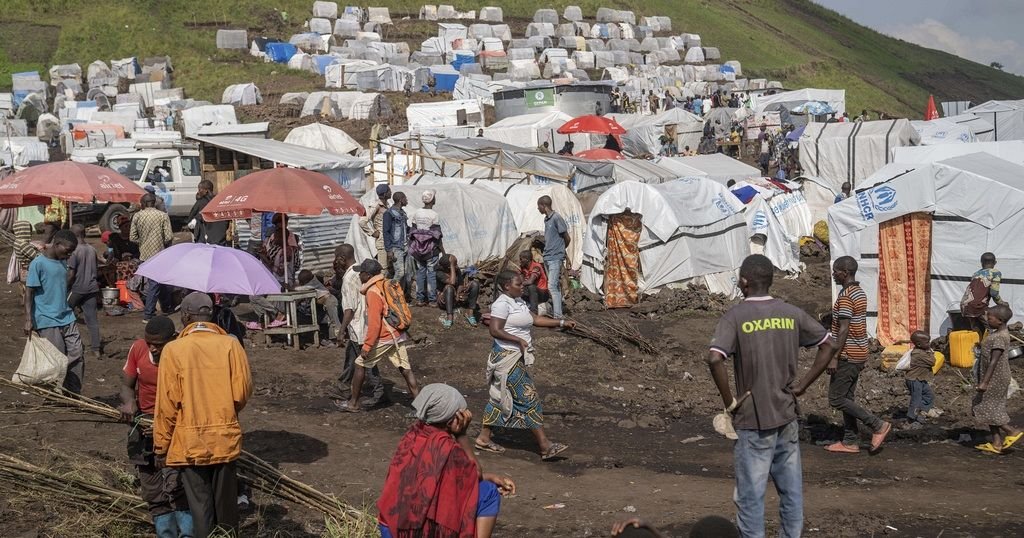
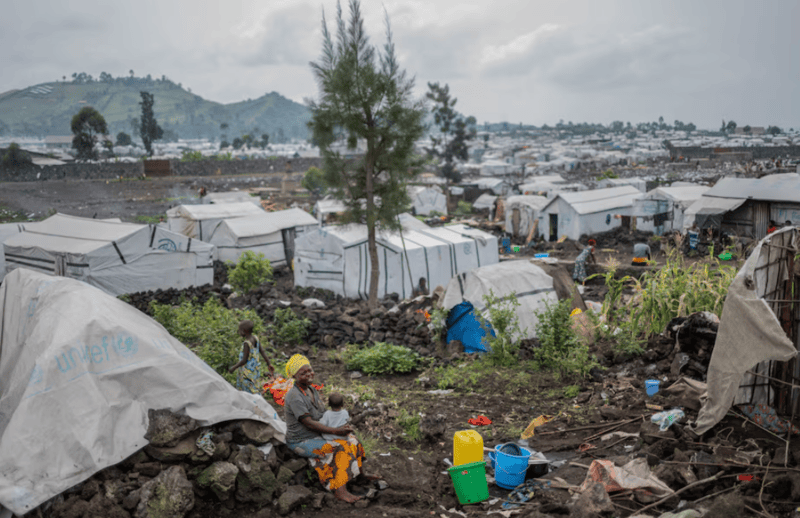
The crisis in eastern DRC has intensified, drawing in regional actors and threatening the stability of the East African Community (EAC). On February 8, 2025, African leaders convened an emergency summit in Tanzania and Equatorial Guinea to address the escalating violence. The conflict, fueled by the M23 rebel group, has led to massive displacement and disrupted cross-border trade. The EAC and Southern African Development Community (SADC) issued a joint statement calling for an immediate ceasefire and urging Rwanda to disengage from the conflict. Despite multiple summits, including one on March 24, 2025, analysts remain skeptical about the effectiveness of diplomatic efforts.
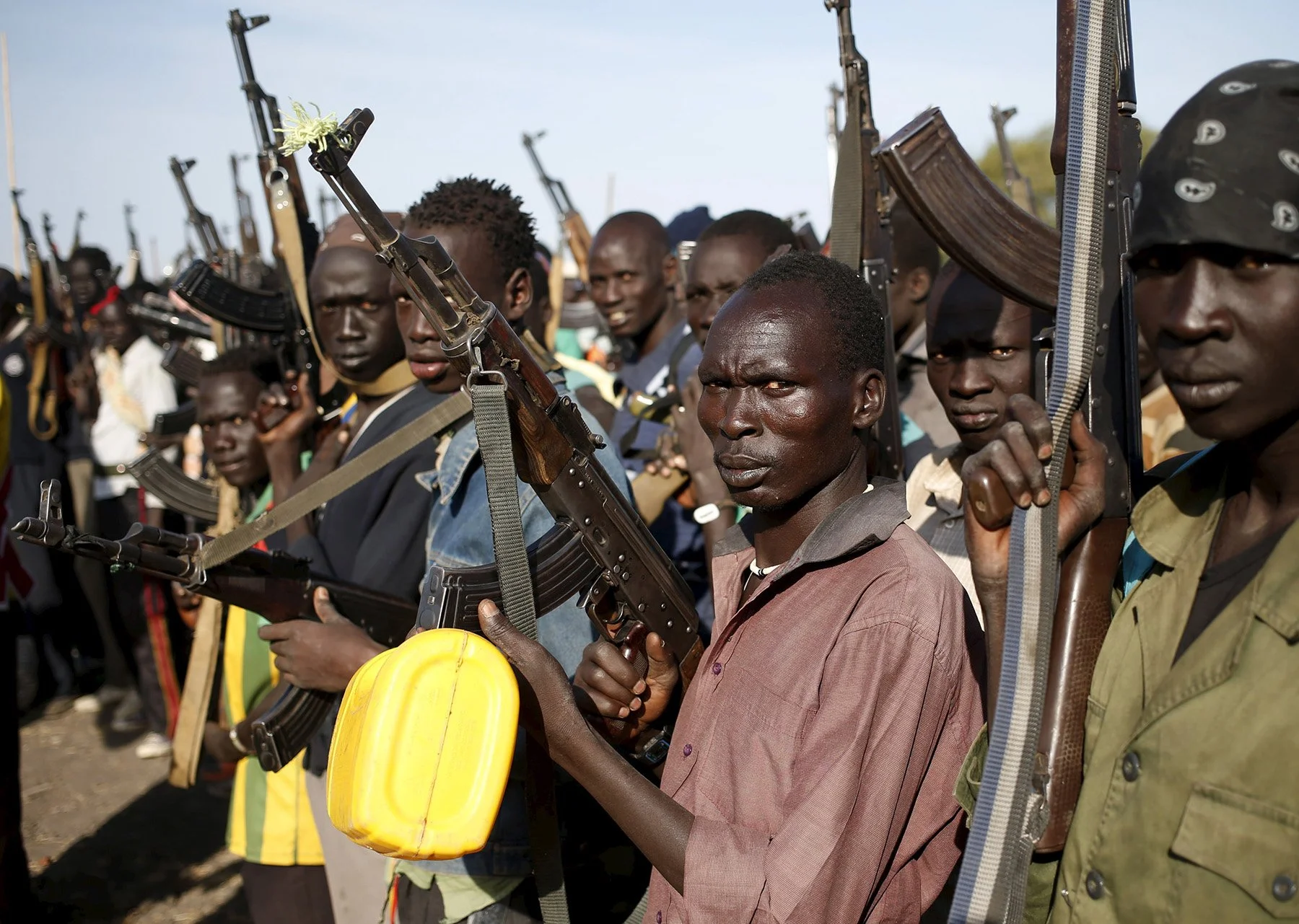
South Sudan’s Political Tensions and Military Escalation
South Sudan faces renewed instability as political factions clash, threatening to unravel the fragile peace agreement signed in 2018. In March 2025, Ugandan troops were deployed to prevent tensions from escalating into full-scale conflict. Airstrikes targeted opposition forces in Nasir, signaling cracks in the transitional unity government formed in February 2020. The resurgence of violence raises concerns about a repeat of the 2013–2015 civil war, which devastated the country and displaced millions.
Burundi’s Internal Struggles and Regional Implications
Burundi’s political landscape remains volatile, with growing concerns over governance and economic instability. While not as internationally visible as the DRC or South Sudan crises, Burundi’s financial struggles within the EAC are significant. As of November 24, 2024, Burundi owed $17 million in unpaid contributions, further straining the bloc’s financial health. The country’s disengagement from regional meetings has raised questions about its long-term commitment to the EAC.
The Future of the EAC Amid Rising Conflicts
With multiple crises unfolding simultaneously, the EAC faces its most significant challenge since its revival in 2000. Political tensions, border closures, and financial instability threaten to derail the bloc’s vision of economic and political integration. Leaders must act decisively to prevent a repeat of the 1977 collapse, ensuring that diplomatic efforts translate into tangible solutions
4. The Financial Crisis Strangling the EAC
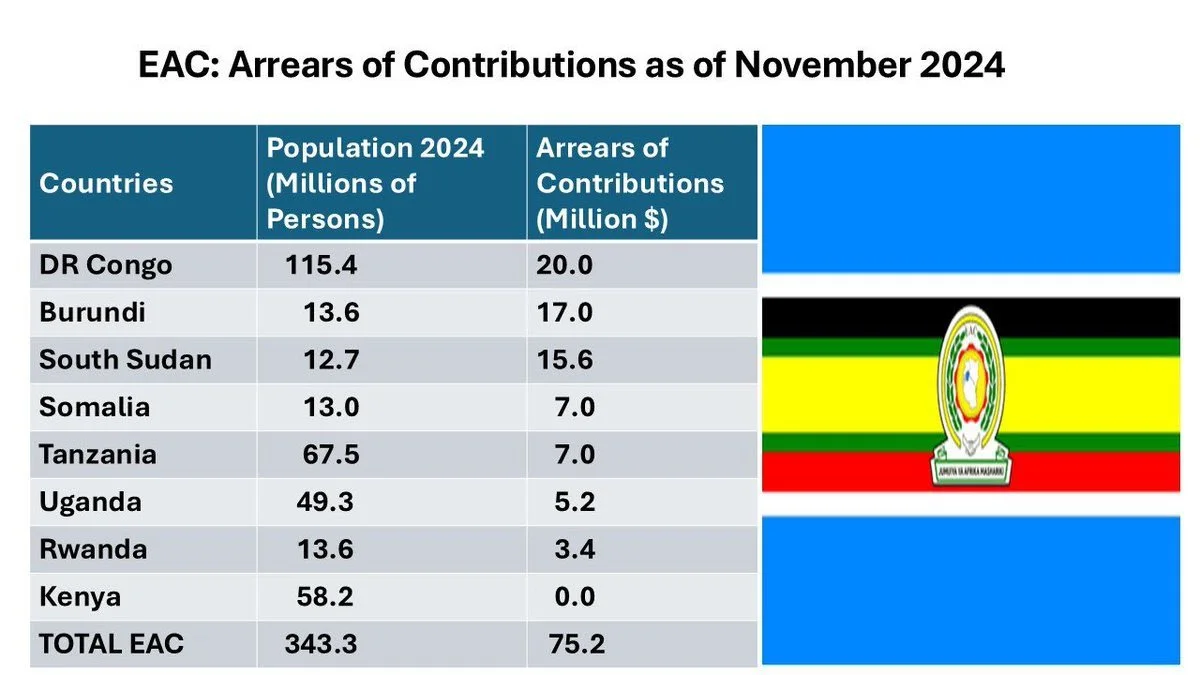
These political tensions, first in the eastern part of the DRC with regional repercussions, have dealt a heavy blow to the community's finances. As of November 24, 2024, the arrears in contributions amounted to $75 million USD.
Out of a budget voted for 2024/2025 of $89 million USD, only $13.5 million USD have been paid out as contributions from the member states, which paralyses all the community's programs. The DRC, which has never paid anything since joining the EAC in March 2022, has the largest amount of arrears, namely $20 million USD, followed by Burundi at $17 million USD and South Sudan at $15.6 million USD.
5. Signs of Disengagement: Are Some Countries Pulling Away?
Here are key reasons why the Democratic Republic of Congo (DRC), Burundi, and South Sudan appear to be disengaging from the East African Community (EAC):
Absence from High-Level Summits – For the past two years, the President of the DRC has not attended the Summits of Heads of State. Notably, during the 24th Ordinary Summit in November 2024, President Tshisekedi was supposed to assume leadership but failed to participate or send a delegation. Instead, President Ruto of Kenya was appointed to preside over the Summit.
Lack of Participation in Key Decisions – The DRC was also absent from the Extraordinary Summit in June 2024, where the appointment of the Secretary General was discussed. Additionally, the DRC’s leadership has not attended any online meetings, further signaling disengagement.
Debates Over DRC’s Membership – Some Congolese politicians argue that joining the EAC was a “big mistake,” citing the failure of the bloc to resolve security issues in eastern DRC. With objectives unmet, discussions have surfaced about reconsidering the country’s continued participation.
Financial Commitments Not Honored – As of November 24, 2024, the DRC owed $20 million in unpaid contributions—the highest arrears among member states. Similarly, Burundi owes $17 million, and South Sudan faces $15.6 million in unpaid dues, further hampering the EAC’s financial stability.
Burundi and South Sudan Show Signs of Withdrawal – The same concerns apply to Burundi and South Sudan, which have been sporadic in their involvement in EAC affairs. Their financial and political disengagement raises questions about their long-term commitment to the bloc.
These signs of withdrawal reflect deep-rooted tensions and unresolved issues within the EAC, threatening the integrity and stability of the regional organization.
President Paul Kagame, who has been vocal about the challenges facing the EAC, particularly regarding the Democratic Republic of Congo’s (DRC) disengagement. In a recent summit addressing regional instability, Kagame remarked:
"The security situation in eastern DRC remains fundamentally unchanged despite years of intervention. The lack of coordinated efforts within the EAC has led to further fragmentation, raising questions about the commitment of certain member states to regional stability."
Additionally, Kenyan President William Ruto has expressed concerns about the financial and political disengagement of some EAC members. During the 24th Ordinary Summit in November 2024, he emphasized:
"The strength of the East African Community depends on the active participation of all member states. When key players fail to engage, it weakens our collective vision for economic and political integration."
6. A Crisis That Echoes 1977: Is the EAC on the Brink of Another Collapse?
Nearly five decades after its first disintegration in 1977, the East African Community (EAC) faces eerily similar challenges that threaten its stability. Political conflicts between member states, closed borders disrupting trade, boycotts of critical summits, and mounting unpaid contributions have placed the bloc in a precarious position.
The financial paralysis—marked by $75 million in outstanding arrears—has crippled regional programs, echoing the economic tensions that once led to the EAC’s dissolution. The absence of DRC’s leadership from key meetings, disengagement from Burundi and South Sudan, and escalating diplomatic strains suggest that history could repeat itself if decisive action is not taken.
With regional integration at risk, the question remains: Can the EAC overcome these mounting obstacles, or is it destined to fracture once again?
7. Can the EAC Overcome Its Crisis?
The Future of the East African Community: A Moment of Reckoning
As the East African Community (EAC) stands at a crossroads, the echoes of 1977 grow louder. Political conflicts, economic instability, and disengagement from key member states threaten to unravel decades of progress. The vision of a unified, economically thriving East Africa—once a beacon of hope—now faces its greatest challenge.
The financial crisis, marked by $75 million in unpaid contributions, has crippled regional programs. The absence of DRC’s leadership from summits, Burundi’s wavering commitment, and South Sudan’s financial struggles raise urgent questions about the bloc’s future. Border closures, diplomatic tensions, and stalled trade agreements further deepen the crisis, making regional cooperation increasingly fragile.
Reflecting on the importance of unity, Julius Nyerere once declared:
"Without unity, there is no future for Africa."
(March 6, 1997, Ghana’s 40th Independence Anniversary Speech)
The question now is: Will the EAC rise above these challenges, or are we witnessing the slow disintegration of one of Africa’s most ambitious regional blocs?
The stakes are high—not just for the member states but for the millions of people whose livelihoods depend on a stable and cooperative East Africa. The collapse of the EAC would mean lost economic opportunities, weakened diplomatic ties, and a fragmented regional identity.
As the world watches, leaders must act decisively to prevent history from repeating itself. The time for dialogue, financial accountability, and renewed commitment is now.
🔹 Stay informed on the latest developments—follow Partners4Peace.com for in-depth analysis and updates on the future of the EAC.
