
Ubuntu Says “I Am Because We Are.” Xenophobia Says “You Don’t Belong.”
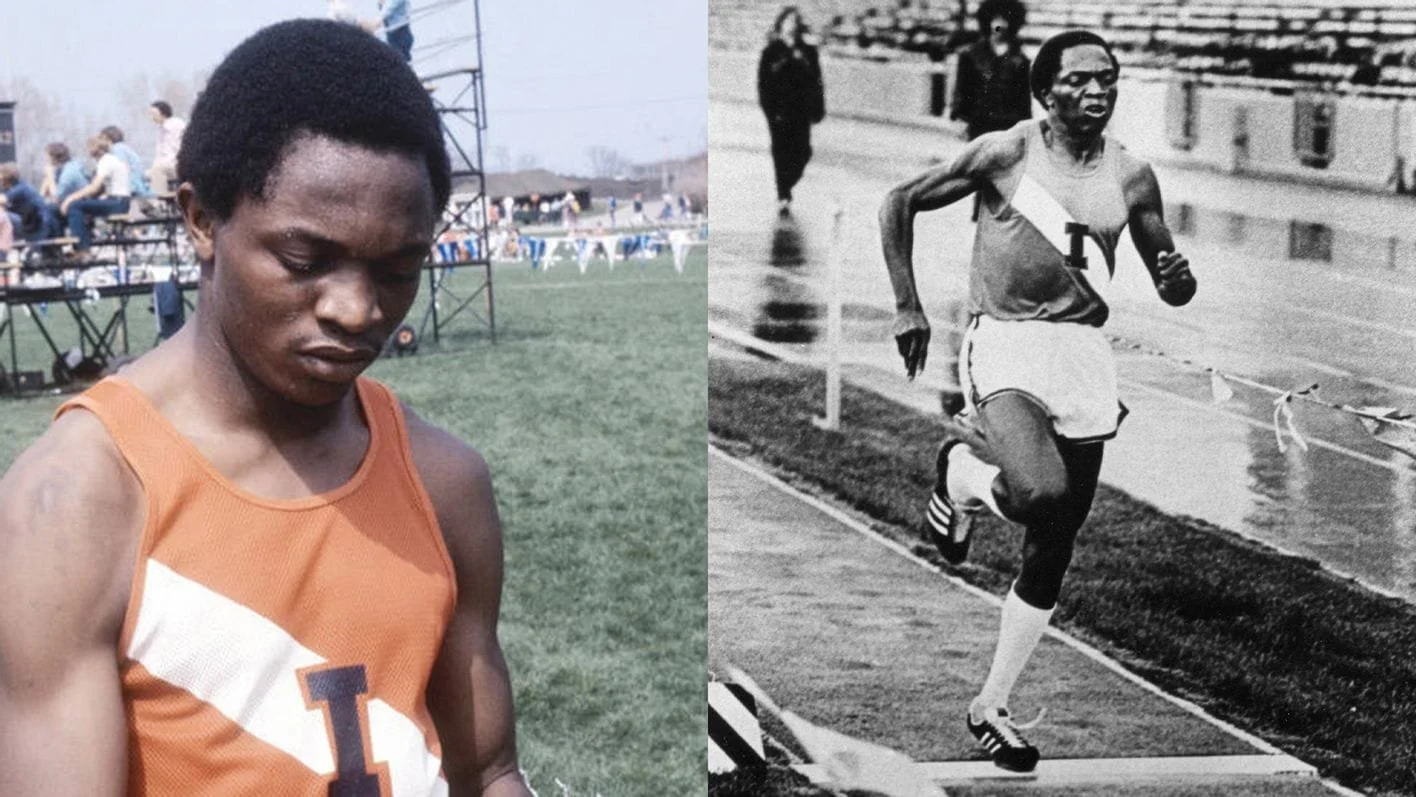
I once sat with a man named Charlton Ehizuelen, a Nigerian triple jumper whose life story carries the weight of a continent’s forgotten sacrifices. Charlton told me how he had trained for years to compete on the world’s biggest stage — the 1976 Montreal Olympics — only to have his dream taken away when Nigeria joined more than 20 African nations in a historic boycott. Their protest was not for themselves. It was for South Africa, to isolate the apartheid regime and force the world to confront its brutality.
Charlton spoke without bitterness, but with a quiet clarity:
“We gave up everything for South Africa’s freedom.”
Today, as South Africa faces a new wave of anti‑immigrant protests and violence, Charlton’s words echo with painful irony. The children of the liberated nation now turn their anger not toward the white minority who still own most of the land, nor toward the structures of inequality inherited from apartheid, but toward fellow Africans — the very people whose nations sheltered Mandela, trained ANC fighters, and paid the price for South Africa’s liberation.
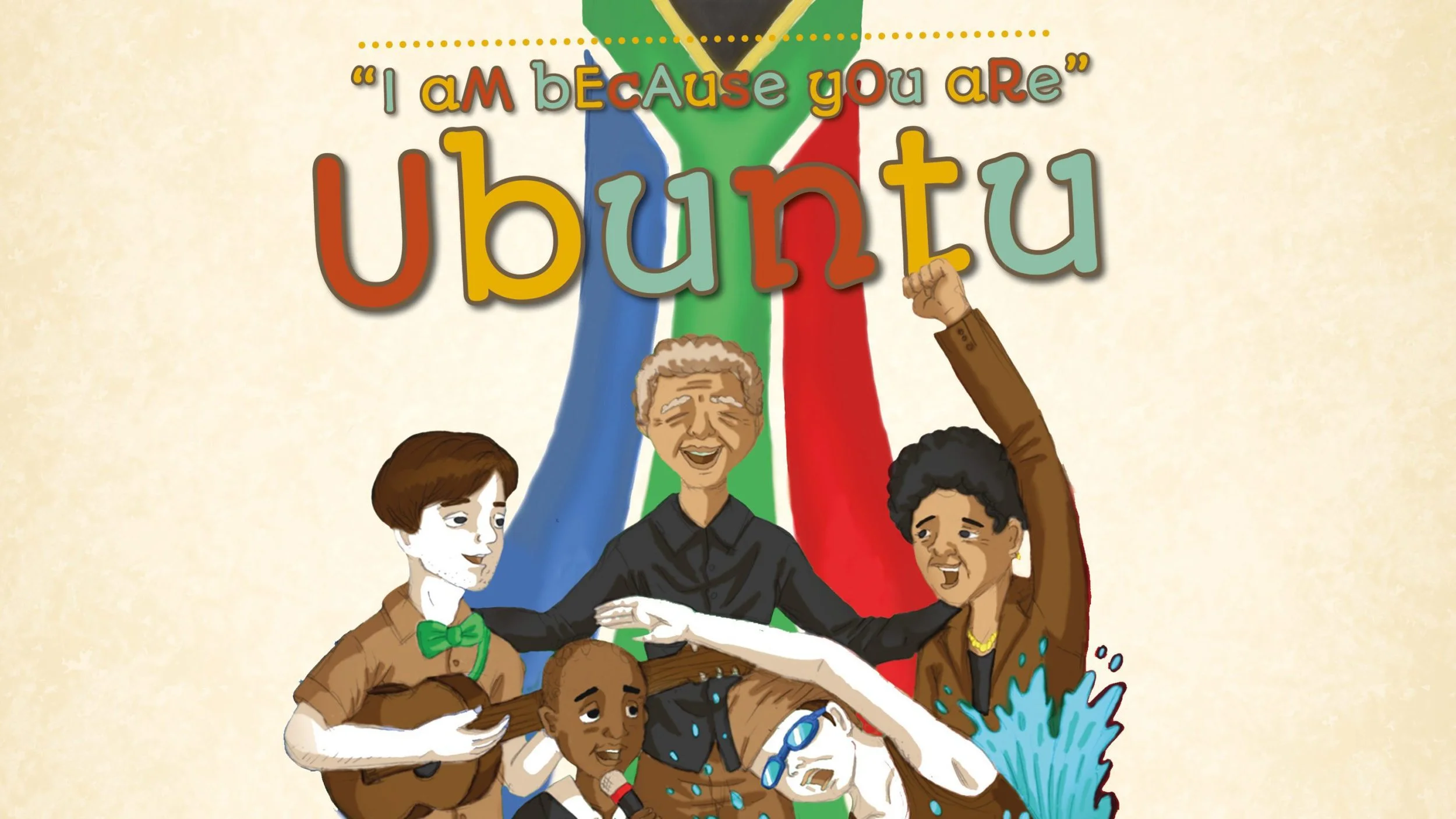
This is not just a political contradiction. It is a moral collapse. It is the betrayal of Ubuntu — the philosophy that made South Africa’s freedom possible.
Africa Fought for South Africa Long Before the World Paid Attention
Long before Western governments condemned apartheid, African nations were the first to declare it a crime against humanity. Through the Organization of African Unity (OAU), they pushed for sanctions, lobbied the United Nations, and refused diplomatic relations with Pretoria.
They made apartheid a continental struggle, not just a South African one.
They gave shelter, training, and resources to the liberation movements
Tanzania hosted ANC camps and allowed the movement to operate openly.
Zambia became the ANC’s headquarters in exile for decades.
Mozambique allowed MK guerrillas to operate from its territory despite deadly retaliation.
Angola provided military training and bases.
Botswana, Lesotho, and Swaziland sheltered activists and smuggled information across borders.
Without these nations, the ANC would have been politically isolated and militarily crippled.
Mandela himself was protected by Africa
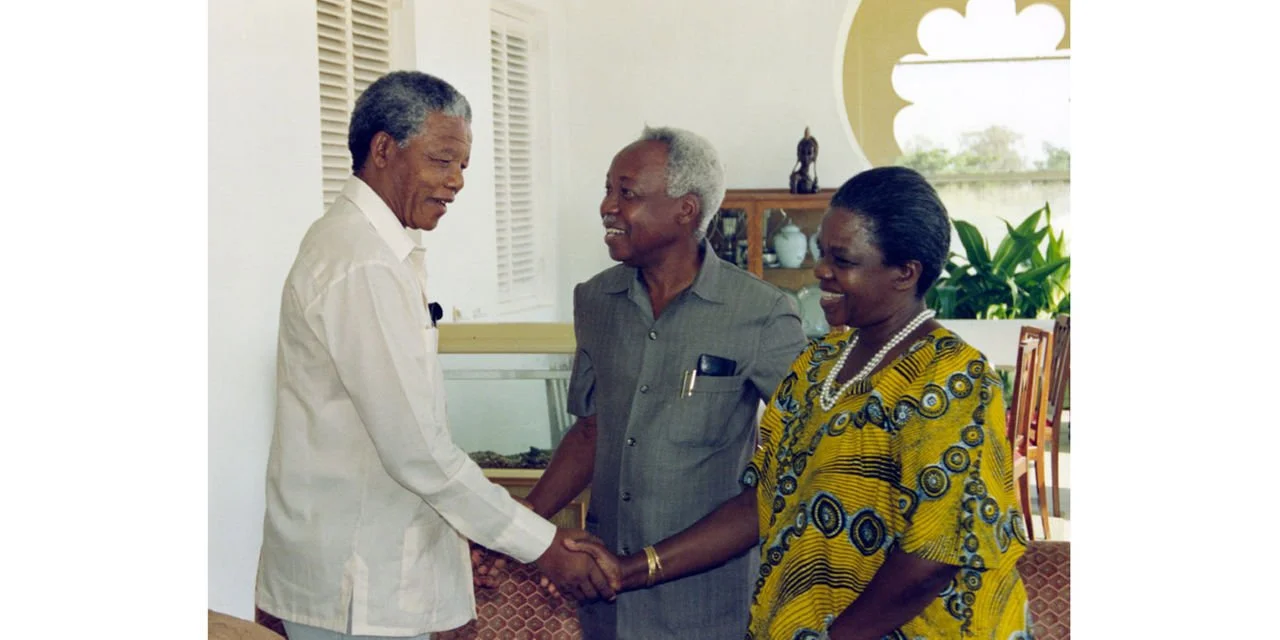
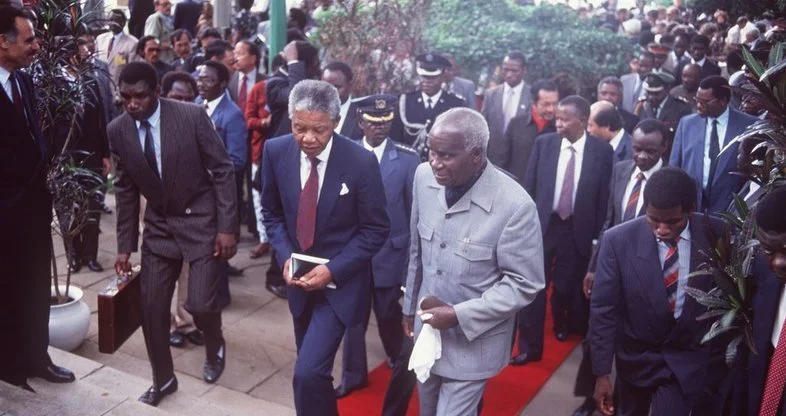
Before his arrest in 1962, Mandela traveled across the continent — Ethiopia, Algeria, Ghana, Nigeria, Sierra Leone, Liberia, Uganda, Tanzania — receiving:
military training
funding
passports and travel documents
offers of asylum
African leaders saw Mandela as their freedom fighter.
Africa paid a heavy price
The apartheid regime retaliated with bombings, assassinations, and cross‑border raids:
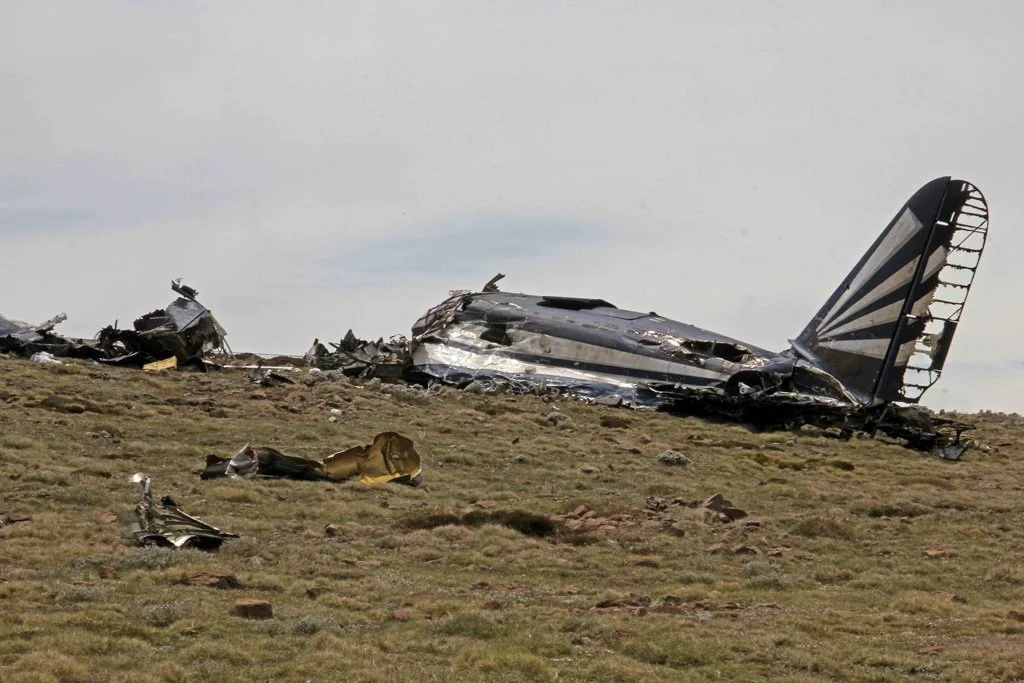
Samora’s crash site
Mozambique’s President Samora Machel died in a plane crash widely believed to be caused by South African interference.
Angola, Zambia, Botswana, and Lesotho suffered deadly attacks for hosting ANC members.
Thousands of civilians were killed or displaced.
Africa bled for South Africa.
Mandela’s Warning: “Our Freedom Is Incomplete Without the Freedom of Africa”
Mandela understood the debt. He understood Ubuntu — “I am because we are.”
He believed South Africa’s liberation was inseparable from the liberation of the continent. He believed the Rainbow Nation would be a home for all who live in it. He believed South Africa would never turn its back on Africa.
But today, that vision is cracking.
The Rise of Xenophobic Nationalism: A Dangerous Reversal
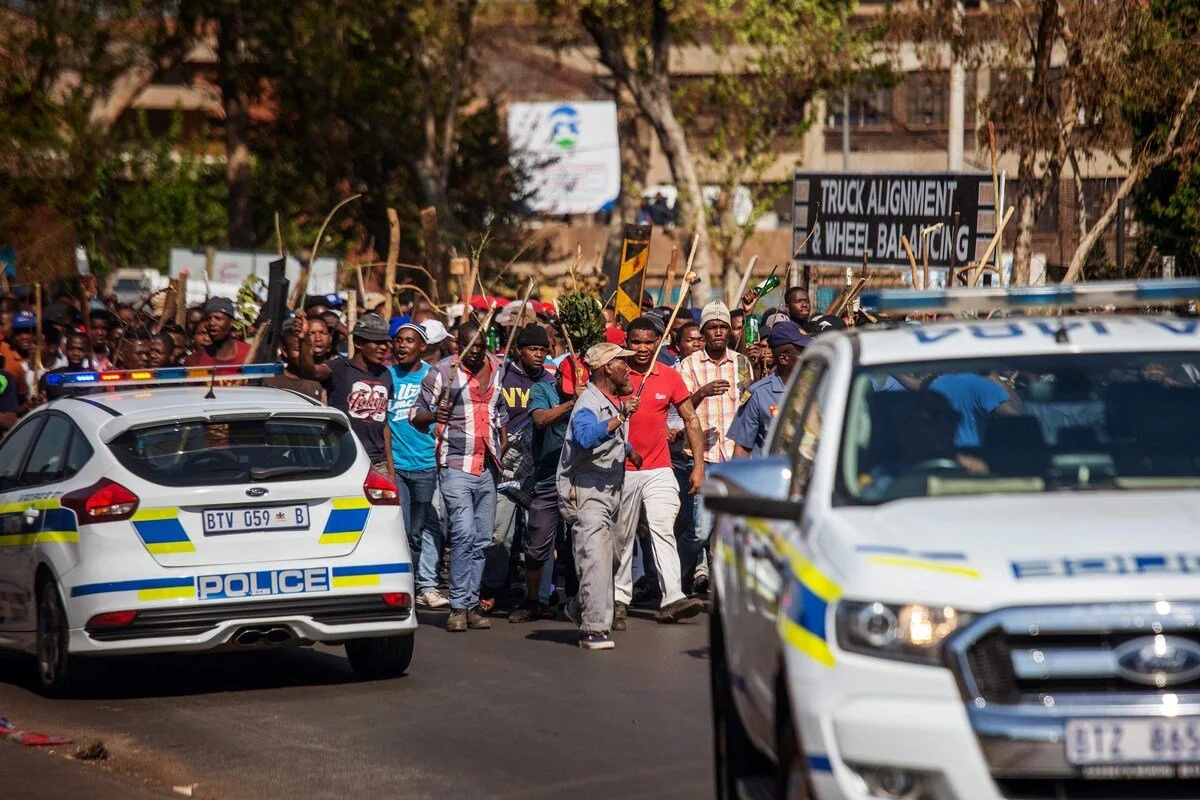
Across South Africa, citizen‑led groups have mobilized protests demanding the removal of African migrants. They speak the language of democracy — “community protection,” “citizens’ rights,” “clean‑ups” — but their actions often escalate into harassment, intimidation, and violence.
The numbers reveal the crisis
South Africa hosts an estimated 3 million migrants (about 5% of the population).
Unemployment stands at 32.1%, one of the highest in the world.
White South Africans, who make up less than 8% of the population, still own over 70% of the country’s farmland.
South Africa has experienced major xenophobic outbreaks in 2008, 2015, 2019, 2022, and 2026.
The violence is real
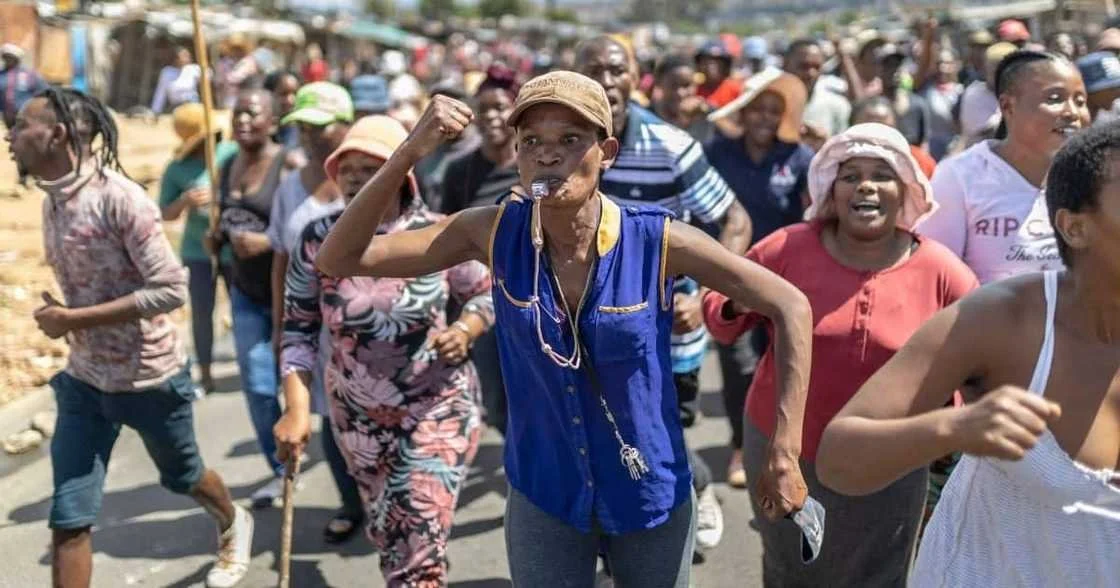
One of the most tragic cases is the killing of Elvis Nyathi, a Zimbabwean man beaten and burned alive by a mob in Diepsloot in 2022. His death became a symbol of how anti‑migrant rhetoric becomes lethal — and how quickly “community protection” can turn into vigilantism.
Elvis Nyathi was from Zimbabwe — a country that once sheltered South Africans fleeing apartheid.
The Bitter Irony: The Wrong People Are Being Blamed
Anti‑migrant groups claim they are “protecting South Africans,” but they do not challenge:
white monopoly capital
corporate land ownership
the economic structures inherited from apartheid
the political failures that fuel unemployment and inequality
Instead, they target the poorest Africans — people who, like South Africans, are victims of the same system.
This is not justice. This is misdirected rage.
Ubuntu vs. Xenophobia: The Soul of the Nation at Stake
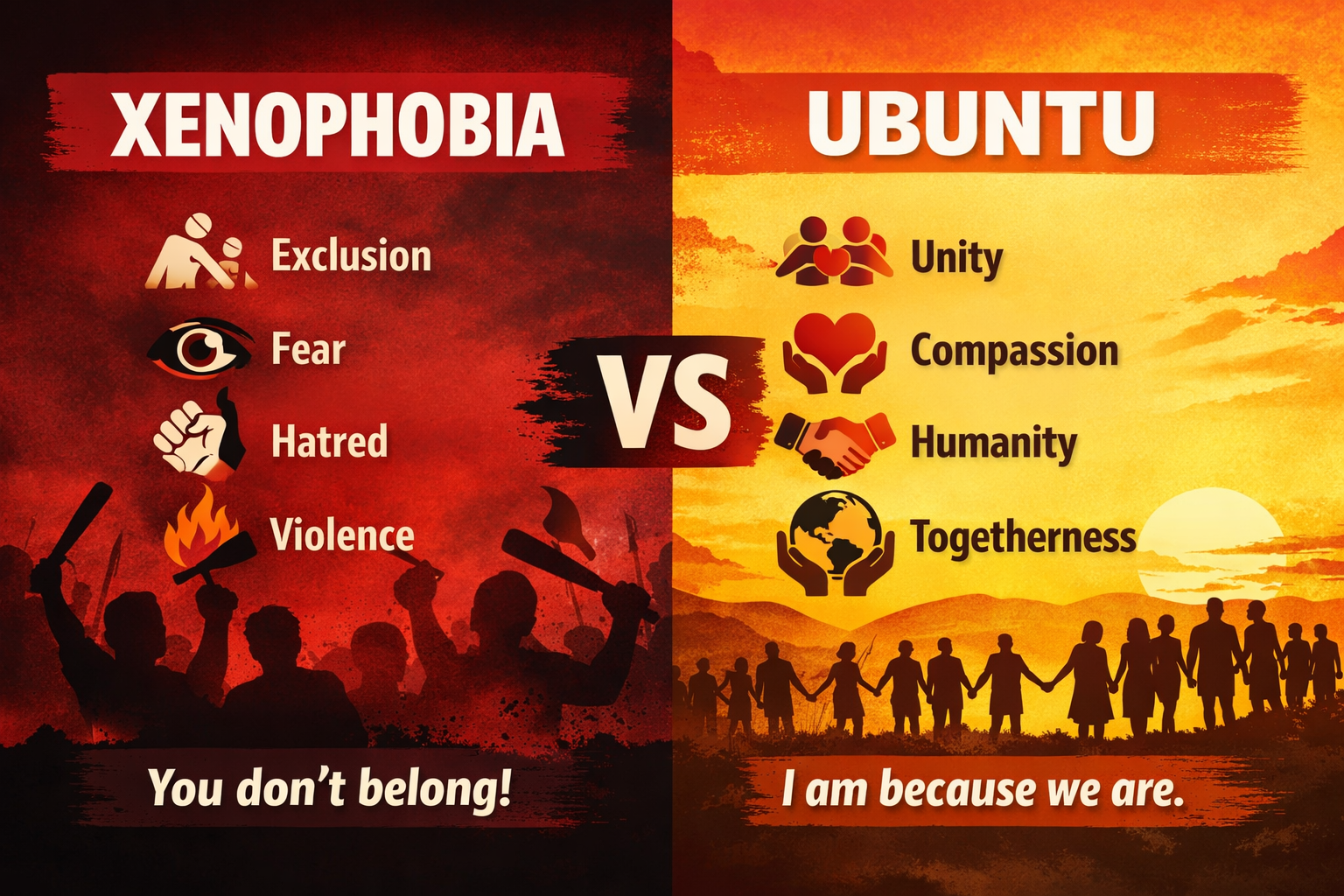
Ubuntu teaches:
shared humanity
interdependence
compassion
dignity
Xenophobia teaches:
exclusion
fear
dehumanization
violence
The Rainbow Nation was built to heal the wounds of apartheid. Xenophobia reopens them — and directs the violence at the wrong people.
South Africa’s freedom was a continental project. Its future depends on remembering that.
Conclusion: A Call Back to Ubuntu
Charlton Ehizuelen’s story is not just a memory — it is a reminder. A reminder that Africa stood with South Africa when the world looked away. A reminder that liberation was collective. A reminder that Ubuntu is not a slogan — it is a responsibility.
South Africa must choose what kind of nation it wants to be:
A nation that honors the sacrifices made for its freedom, or a nation that forgets them and turns against its own continent.
Ubuntu says, “I am because we are.” Xenophobia says, “You don’t belong.”
The future of the Rainbow Nation depends on which voice it chooses to follow.
