world refugee day : Why Refugees Are the Consequence, Not the Crisis
20 June 2025
World Refugee Day
From: Sifa, 12 years old
Somewhere in East Africa
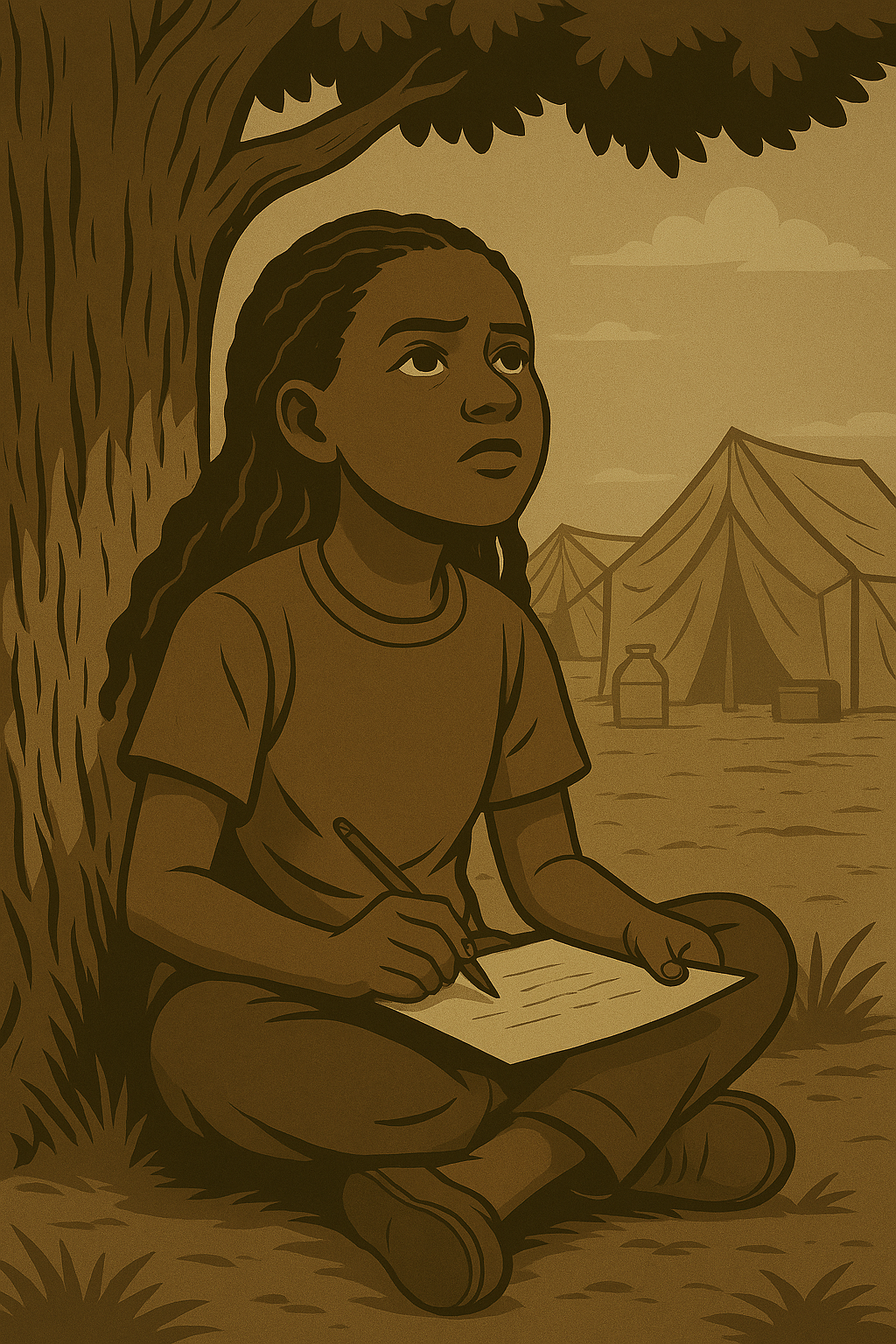
Today, the world says it remembers us. But I wonder—what do you really remember?
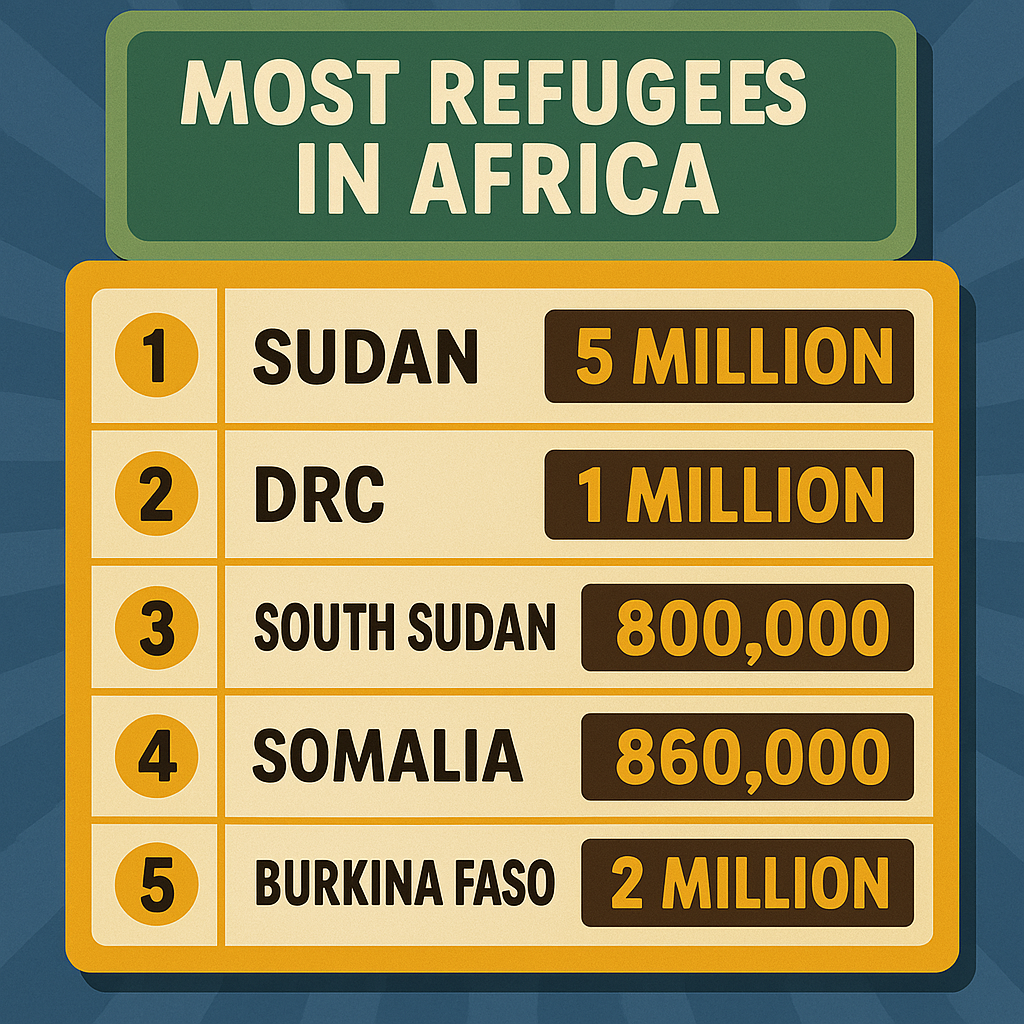
Do you remember the 14 million people fleeing Sudan’s war, or just the numbers on a report?
In Burkina Faso, children like my friend Yacouba haven’t seen a classroom in years—not because they don’t want to, but because their schools were burned down.
Do you remember the dreams we whisper in the dark—about being doctors, dancers, or even presidents—or do you only see our tents?
My name is Sifa. I am 12. I live in a place without a name, and today, I raise my voice not because I want your sympathy—but because I am tired of silence.
“World Refugee Day is not a celebration—it is a demand.”
A demand that treaties be respected.
That systems meant to protect us don’t become the very ones that forget us.
That refugees be seen, not as a crisis, but as co-creators of a future Africa we all deserve.
To Governments—of Africa and Beyond:
You say you welcome us. But what does that mean when Uganda’s Bidibidi settlement, built for 100,000 people, now holds over 207,000?
When Kakuma in Kenya, designed for 90,000, is crammed with 280,000?
Refugee Numbers Are Climbing
Families of six sleep in one tent.
We line up 500 people for one water tap.
You signed the Kampala Declaration. You promised jobs, education, dignity.
But in Uganda, 90% of South Sudanese refugees can’t meet their basic food needs.
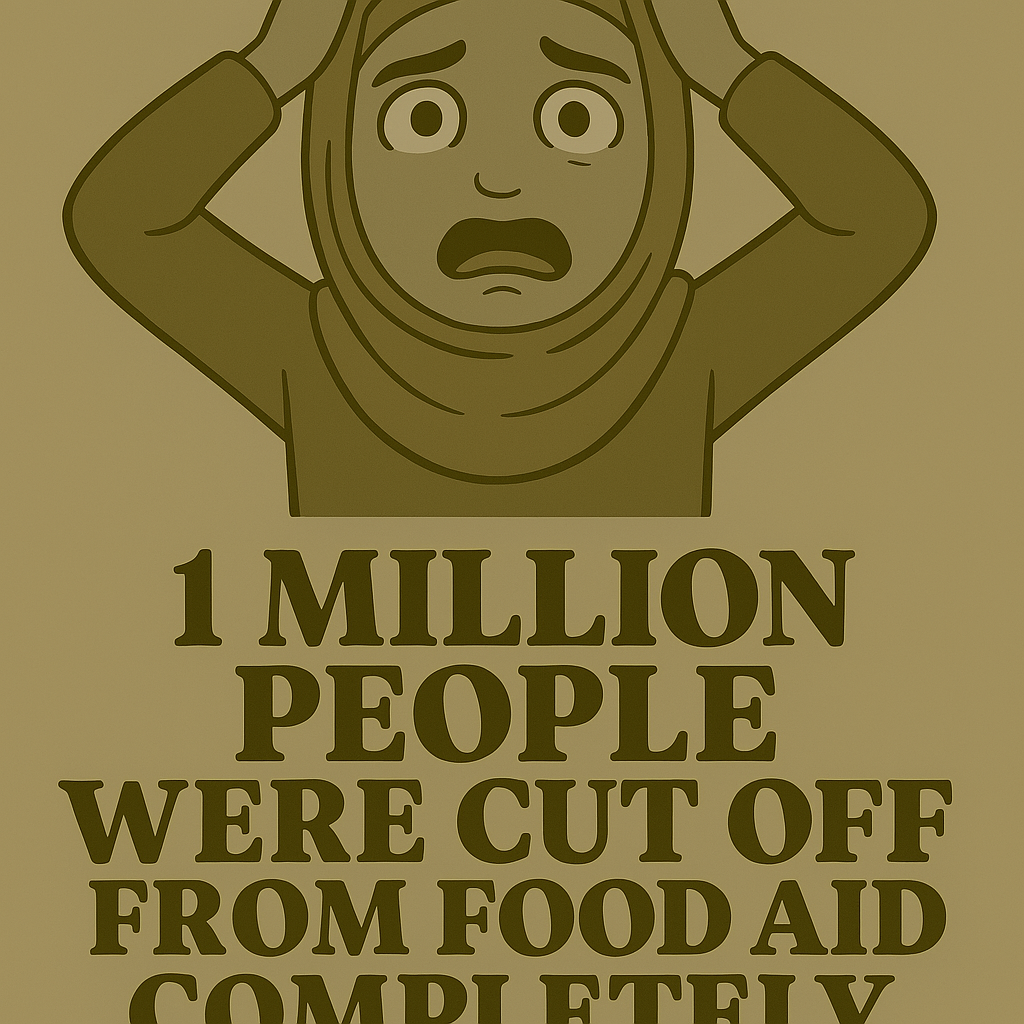
In March, one million people were cut off from food aid entirely.
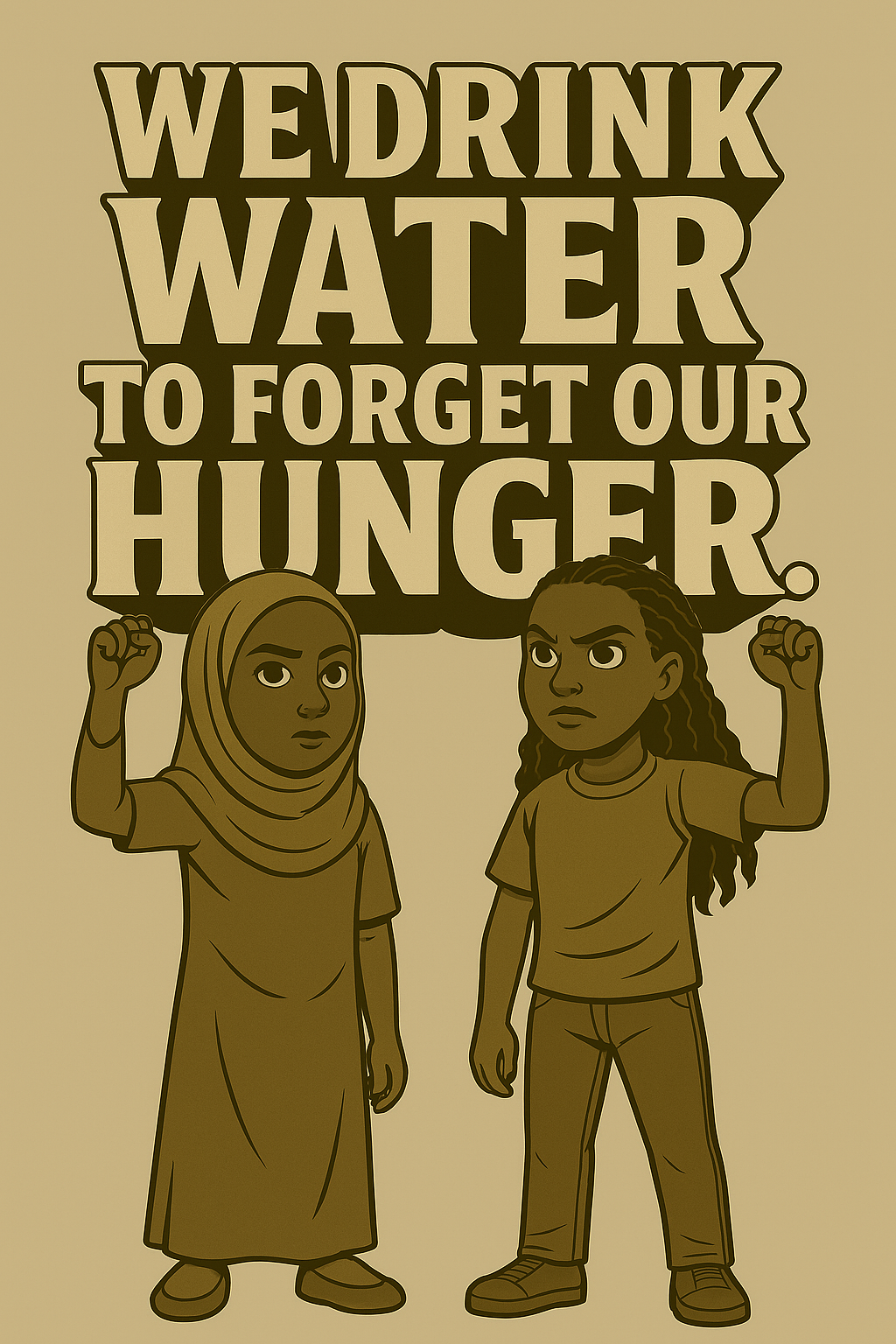
My friend Amira from Sudan told me, “We drink water to forget our hunger.”
She’s 13. She should be in school, not starving in Chad.
Historical Fact
In October 2009, African Union leaders adopted the Kampala Declaration—the first legally binding regional framework in the world to protect and assist internally displaced persons caused by conflict, disasters, and climate change.
In Burkina Faso, over 2 million people are displaced. Armed men burn villages. My friend Yacouba whispered, “We walk at night so they don’t see us.”
To NGOs and Civil Society:
You come with clipboards. You bring surveys. You write reports.
But where is the change?
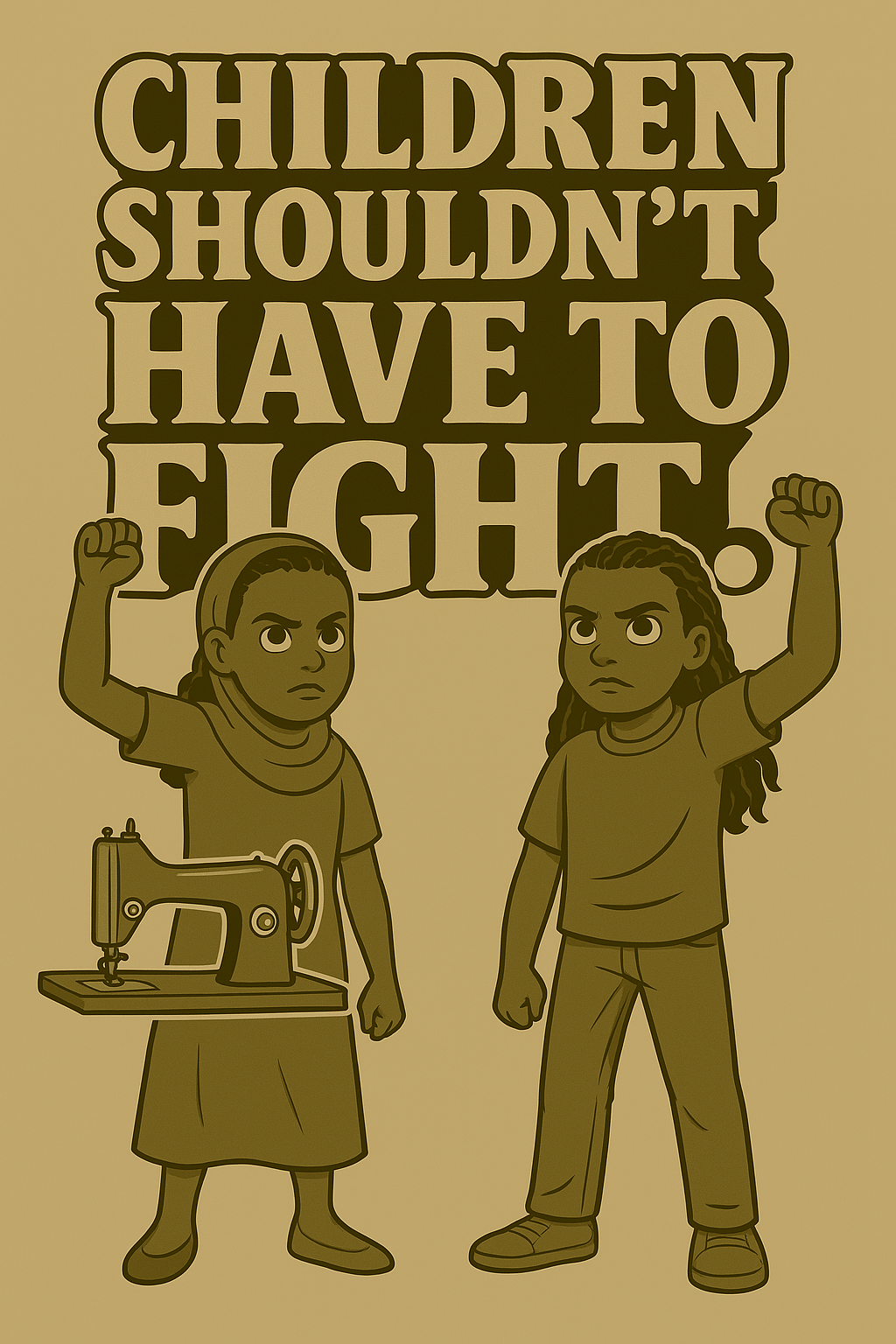
In South Sudan, Nyamal started a sewing group for girls. “We wanted to feel like people again,” she said. But she has no thread. No machines. No mentorship. Just dreams.
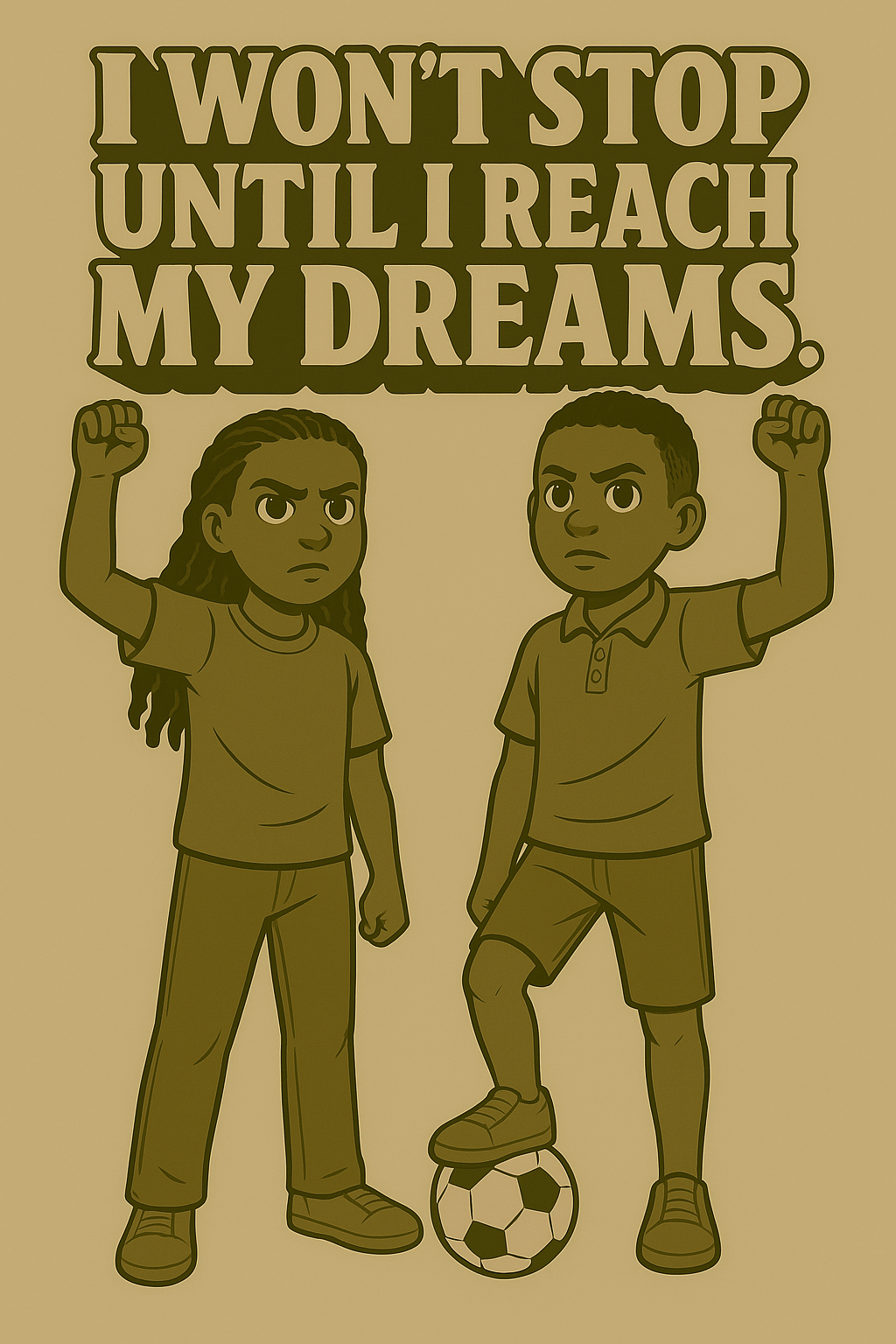
In the DRC, Jean-Paul, who is just 14, organized a soccer tournament. “We play to feel normal,” he said. His ball is made of tied-up plastic bags.
You speak of empowerment. But less than 1% of humanitarian aid goes to refugee-led organizations.
To the People of the World—My Family:
Maybe you’ve seen us on your phones. You might scroll past our photos, our tents, our pain.
But do you know about Abdirahman in Somalia?
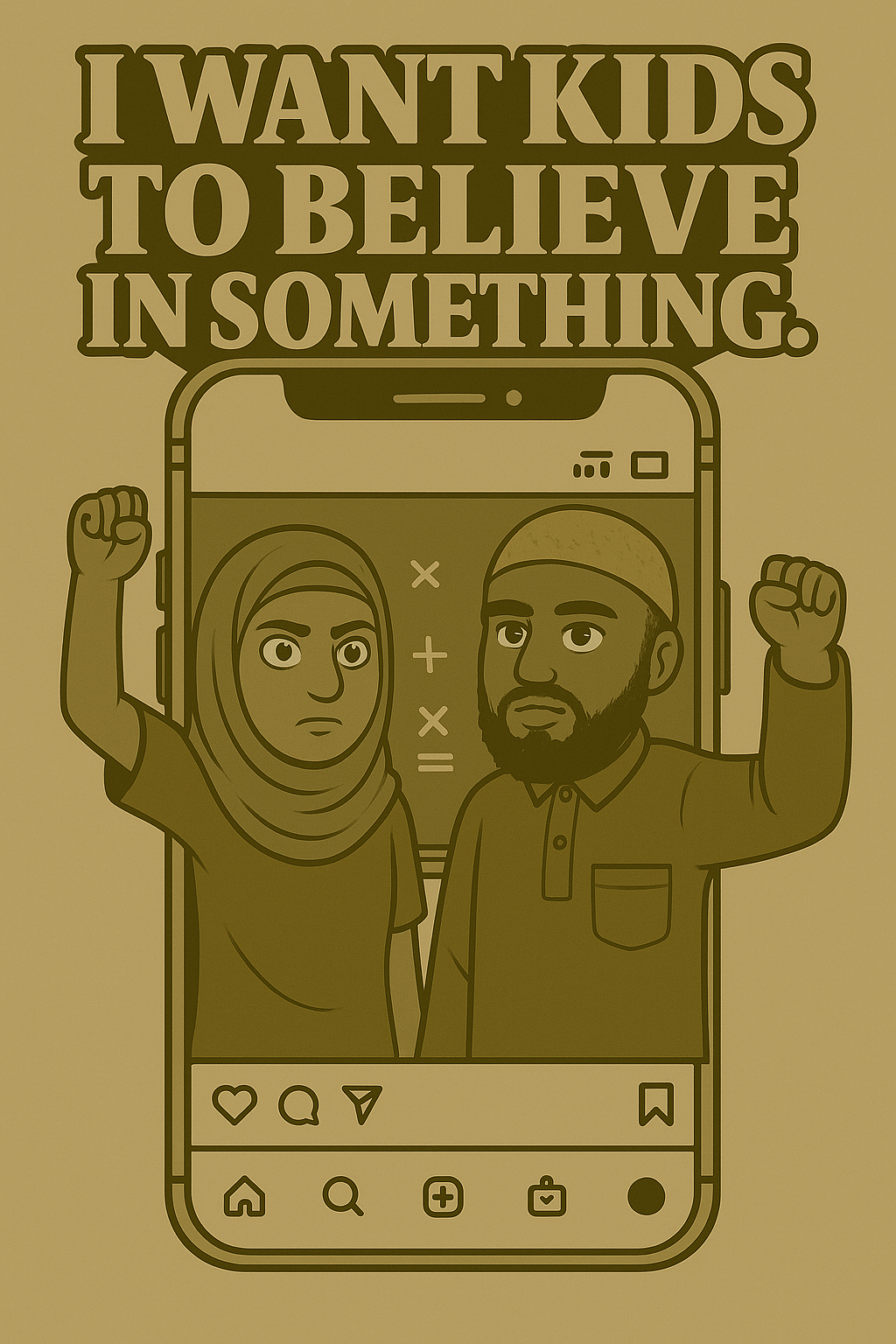
He lost his school—but now he teaches math on TikTok with no classroom and no books. He told a friend, “I want kids to believe in something.”
We are not hopeless.
We are building.
Let This Be the Year
So today, I’m not just asking. I’m demanding:
To governments: Fund what you promised. Don’t let treaties become tombstones.
To NGOs: Share power. Let us lead.
To the world: Don’t just stand with us. Stand up for us.
Because I’m tired of being told I’m strong. I want to be safe. I want to be seen. I want to be heard.
And I want you to remember: we are not the crisis. We are the consequence of your inaction.
With fire and hope,
Daughter of Africa.
💬 How Are You Celebrating World Refugee Day?
Share how you're honoring this day and the ways you're contributing to support displaced communities. Your voice matters.
