
Région des Grands Lacs: A qui profitent le chaos et la tragédie humanitaire dans l’Est de la RDC ?
Depuis deux ans, l’Est de la République Démocratique du Congo (RDC) est devenu le théâtre d’affrontements meurtriers entre groupes armés et les Forces Armées de la RDC (FARDC). Ces affrontements prennent de plus en plus une dimension régionale, impliquant d’autres pays de la région, en particulier, le Burundi, le Rwanda, l’Ouganda et le Kenya. La situation sécuritaire et humanitaire est dramatique et explosive.

AGENDA 2030: IS AFRICA LAGGING ?
From 10 to 19 July 2023, at UN Headquarters, in New York, Government representatives, businesses, civil society organizations, young people and other international actors will gather for the High-Level Political Forum (HLPF) on Sustainable Development. They all come together with one purpose: Review and assess progress to achieve the global goals. Here’s what to know about the SDG’s and the challenge of Africa.

World population day 2023 : Africa's Path to a Sustainable Future
As we observe World Population Day 2023, let’s examine the key issues that Africa needs to pay attention to.
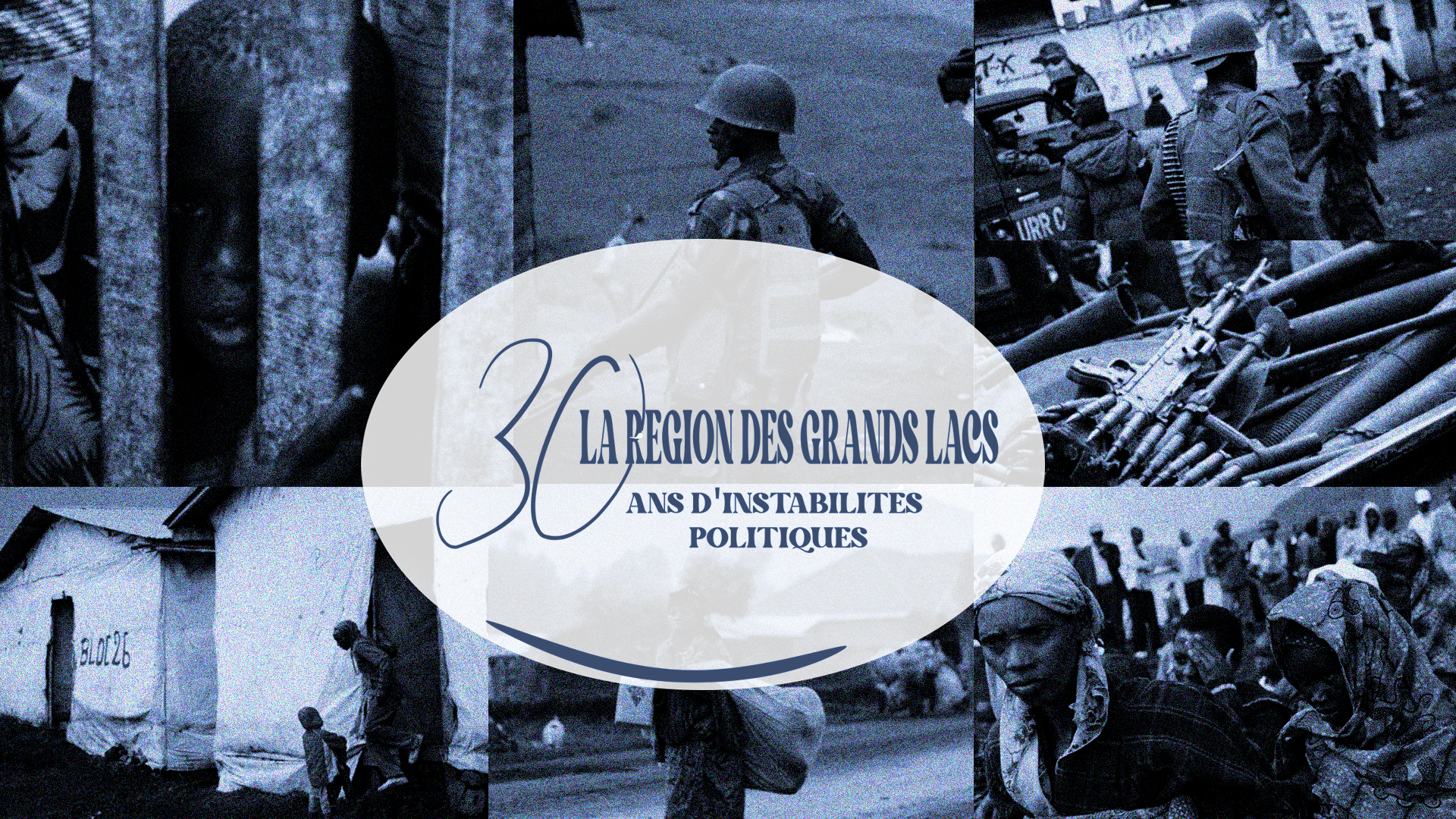
LA REGION DES GRANDS LACS : PLUS DE 30 ANS D’INSTABILITES POLITIQUES.
A l’approche du 23 juin 2023, où à Luanda, aura lieu une réunion quadripartite entre la CIRGL, la Communauté d’Afrique de l’Est (EAC), la Communauté Economique des Etats de l’Afrique Centrale (CEEAC), et l’Union Africaine (UA) qui en assurera la coordination, voici ce qu’il faut savoir sur les defis que rencontrent la Région Des Grands Lacs durant les 30 dernières années…


Africa Day 2023: Our Africa, Our Future
On May 25th, 1963, the African Union was established, and Africa Day celebrates its 60th anniversary this year. It's a time to reflect on challenges, shape the narrative, and accelerate progress toward a prosperous future for all Africans. Happy Africa Day !



TIME FOR A NEW DEAL WITH AFRICa
The article discusses the recent forum organized by the French Council of Investors in Africa (CIAN) with the theme "Time for a new deal with Africa." It highlights the need for African countries to negotiate better deals with external partners for their natural resources and the potential for developing renewable energy resources. We emphasize the importance of partnerships based on fair and transparent terms to drive economic growth and improve the lives of African citizens. Here is what to expect…

The 2023 Spring Meetings of the World Bank Group (WBG) and the International Monetary Fund (IMF)
Multiple forces are shaping the global economy. Commodity prices have come down, but Russia’s war in Ukraine grinds on, and geopolitical tensions mount. COVID-19 continues to cause widespread outbreaks, but many economies are gradually recovering. Inflation rates are down but remain elevated, raising the cost of living in many countries. High debt levels limit governments’ ability to address climate change and digitalization and push some closer to default.
At these crossroads, 190 member countries will convene at the 2023 World Bank Group – IMF Spring Meetings to find ways to act decisively and act together to build a more resilient world

INternational sports day for developpement and peace
Sport has always been recognized as a significant aspect of human development, providing a range of physical, social, and emotional benefits that help individuals and communities thrive. In Africa, sports have played a critical role in enhancing community cohesion, promoting social integration, and fostering economic growth. The Basketball Africa League (BAL), which was launched in 2019, is a recent example of how sports are contributing to the development of Africa.

8 MARCH 2023: INTERNATIONAL WOMEN’S DAY
Building inclusive innovation and technology ecosystems must be at the heart of efforts to leverage the potential of innovation and technology to support the economic, social, and political development of women and girls in Africa. Together, we can create an inclusive tomorrow, both online and offline.
HAPPY INTERNATIONAL WOMEN’S DAY
Fifth UN Conference on the Least Developed Countries (LDC-V), Doha, Qatar, 5-9 March 2023
The concept of Least Developed Countries (LDCs) was first introduced by the UN in 1971. Despite international commitments and programs aimed at addressing poverty in these countries, LDCs remain some of the poorest and most vulnerable economies in the world. LDCs account for only 1.3% of global GDP and receive very little foreign investment or exports. Every ten years, the UN organizes conferences for LDCs, but the results achieved so far are weak. The first conference in 1981 led to the adoption of the Special New Programme of Action for LDCs, and in 1990, the international community committed to integrating LDCs into the international trading system

OUA/UA: Quel Bilan pour les 60 ans ?
Dans quelques mois, l'Union Africaine célébrera ses 60 ans, mais les États-Unis d'Afrique sont toujours inachevés malgré des programmes ambitieux. Les récentes crises ont mis en évidence les vulnérabilités du continent, et un rapport prévoit une crise mondiale imminente qui pourrait causer des troubles civils généralisés. Cet article se demande si l'Union Africaine peut protéger l'Afrique et quand les États-Unis d'Afrique deviendront réalité
(For Mails Only):
9856 Towneway Dr.,
El Monte, CA 91733
info@partners-for-peace.com
(810) 796 5764
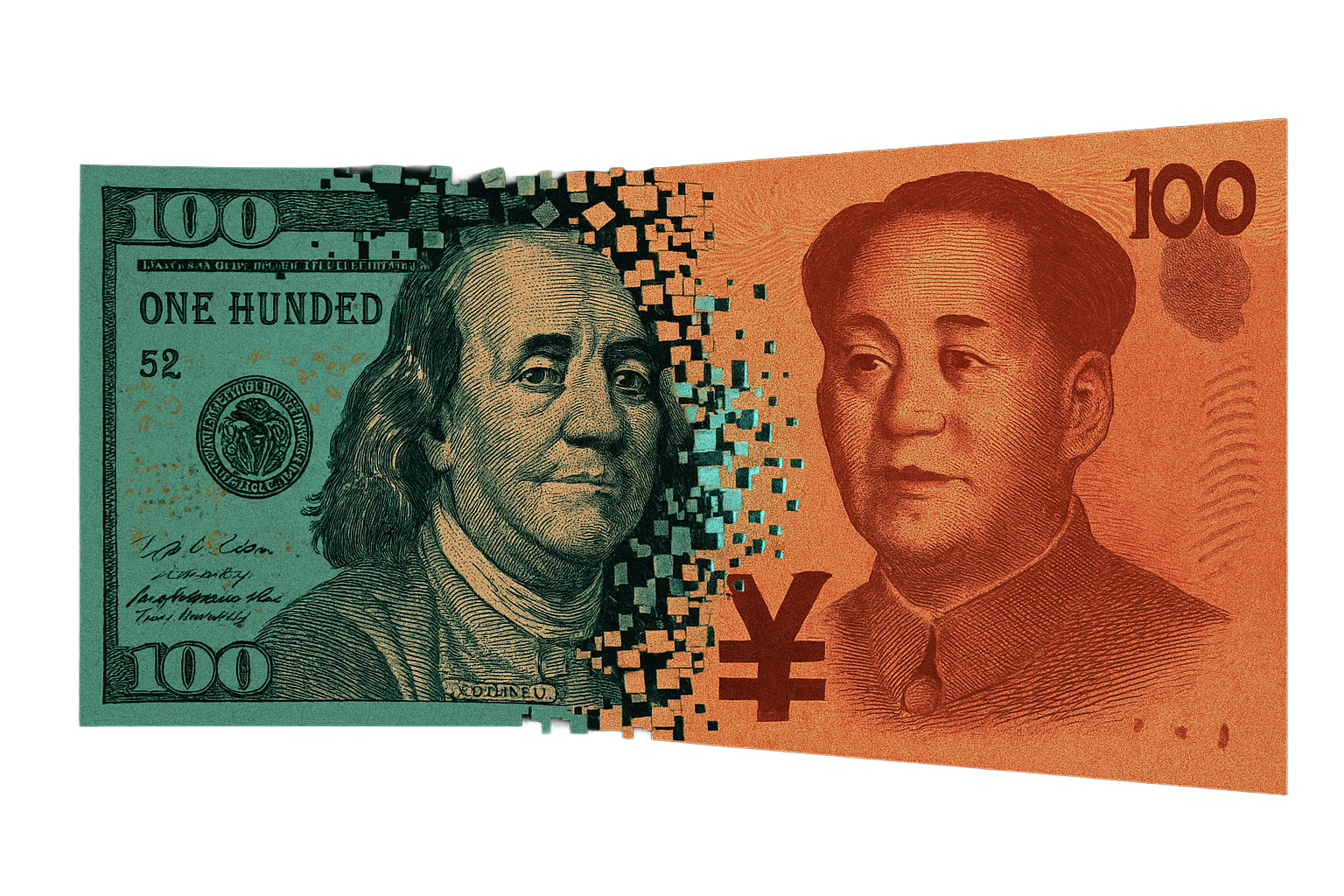
As Africa enters 2026, the continent faces critical challenges and opportunities that will define its future trajectory under new African Union leadership. This comprehensive analysis examines President Evariste Ndayishimiye's chairmanship amid escalating conflicts in the Democratic Republic of Congo, Sudan, Ethiopia, and the Sahel region, while exploring the urgent need to accelerate African Continental Free Trade Area (AfCFTA) implementation to boost intra-regional trade beyond the current 15-18%. The article provides in-depth coverage of evolving international partnerships, including the US-Africa Business Summit in Mauritius, China's $348 billion bilateral trade relationship and zero-tariff initiative, Russia-Africa Summit in Ethiopia, and the EU's €150 billion investment package, while analyzing how these partnerships align with Agenda 2063. Additionally, it addresses critical electoral vulnerabilities across Benin, Somalia, Ethiopia, Zambia, South Africa, and the Republic of Congo, the rise of Gen-Z political movements reshaping governance, debt sustainability concerns with China as Africa's largest bilateral lender, and the growing importance of diaspora remittances ($91 billion) as a development tool, offering strategic insights into how visionary leadership can coordinate diverse interests while prioritizing African prosperity and regional integration.