World population day 2023 : Africa's Path to a Sustainable Future
As we observe World Population Day 2023, let’s examine the key issues that Africa needs to pay attention to.
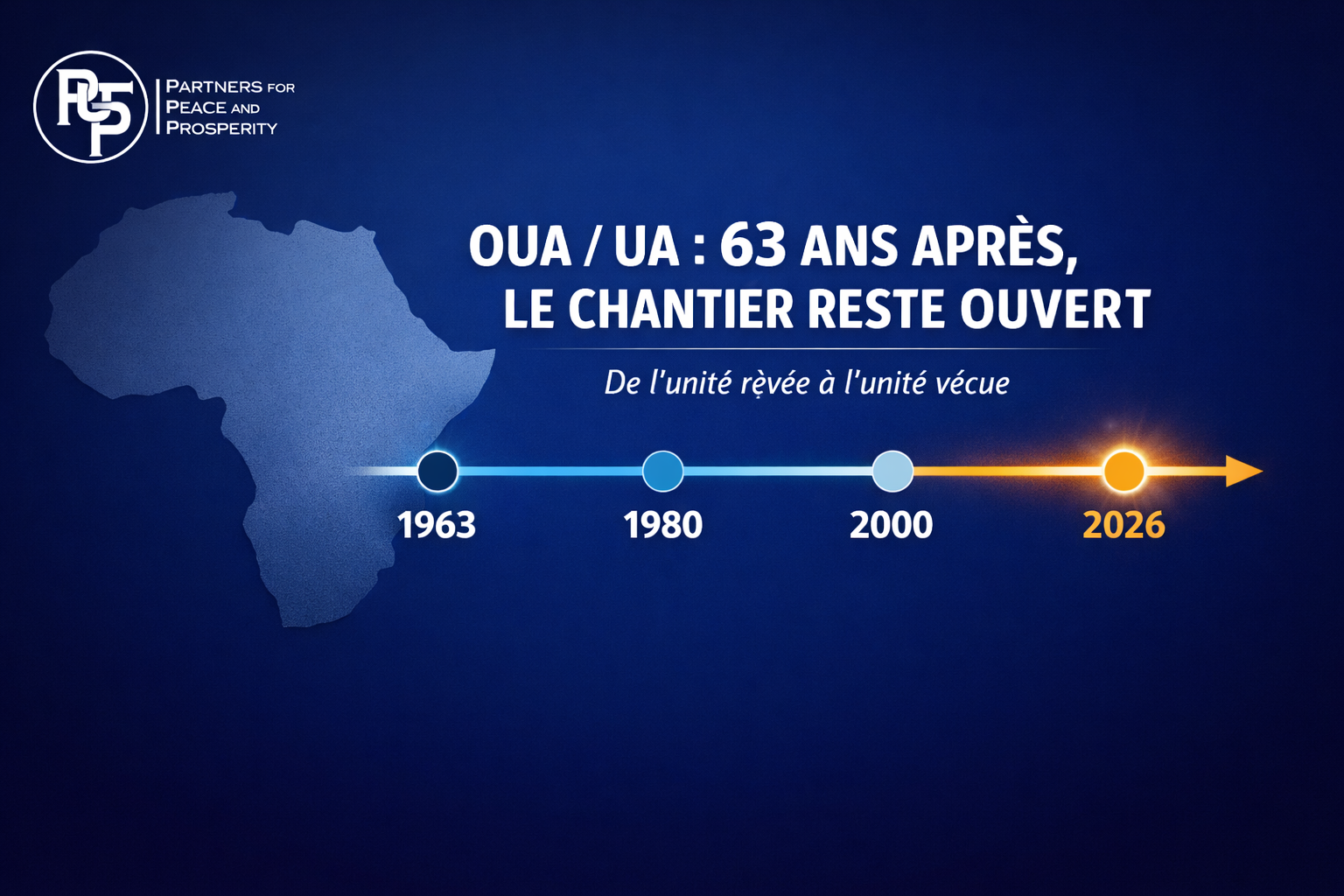
Ce 25 mai 2026, l’Union africaine (UA) célèbre 63 ans depuis la création de l’Organisation de l’Unité africaine (OUA), fondée à Addis‑Abeba en 1963 sous l’impulsion de Kwame Nkrumah et des pères du panafricanisme. De la Charte de 1963 à l’Agenda 2063, en passant par le Plan de Lagos (1980) et la transformation en Union africaine (2002), le continent s’est doté de programmes ambitieux : intégration économique, ZLECAf, sécurité alimentaire, électrification, gouvernance et paix.
Pourtant, 63 ans après, le bilan reste mitigé : commerce intra‑africain faible, insécurité alimentaire persistante, dépendance financière extérieure, et objectifs de l’Agenda 2063 loin d’être atteints. L’Afrique continue de chercher à réaliser le rêve fondateur : l’unité politique et économique, et la création des États‑Unis d’Afrique.
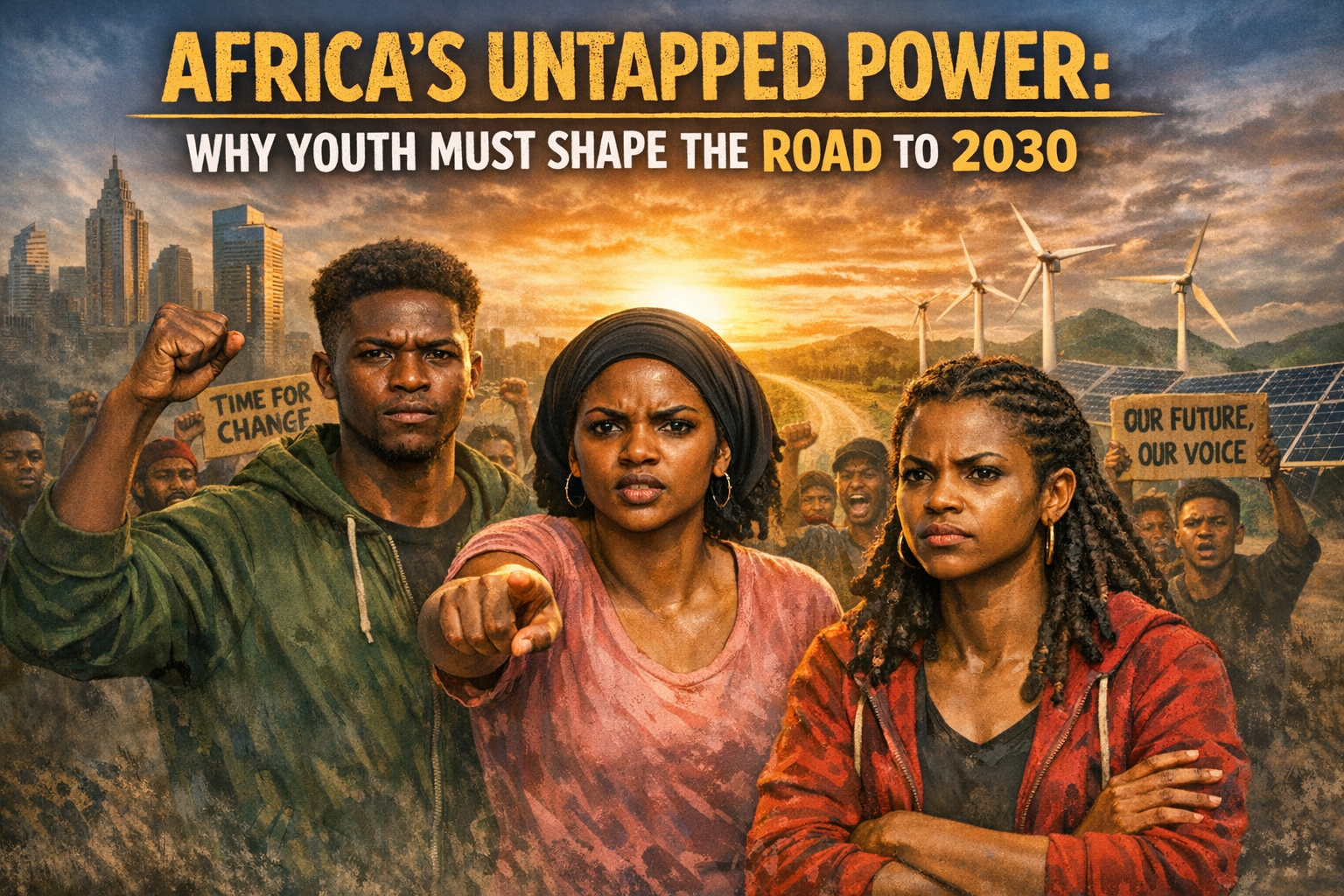
Africa stands at a turning point — its greatest resource isn’t oil or gold, but its youth. AFRICA’S UNTAPPED POWER: WHY YOUTH MUST SHAPE THE ROAD TO 2030 explores how young Africans are redefining leadership, innovation, and sustainability across the continent. With over 60% of Africa’s population under 25, this generation holds the key to unlocking economic transformation, climate resilience, and digital empowerment. The article calls for inclusive governance, investment in education and technology, and youth-led initiatives that drive Africa’s vision for Agenda 2030.
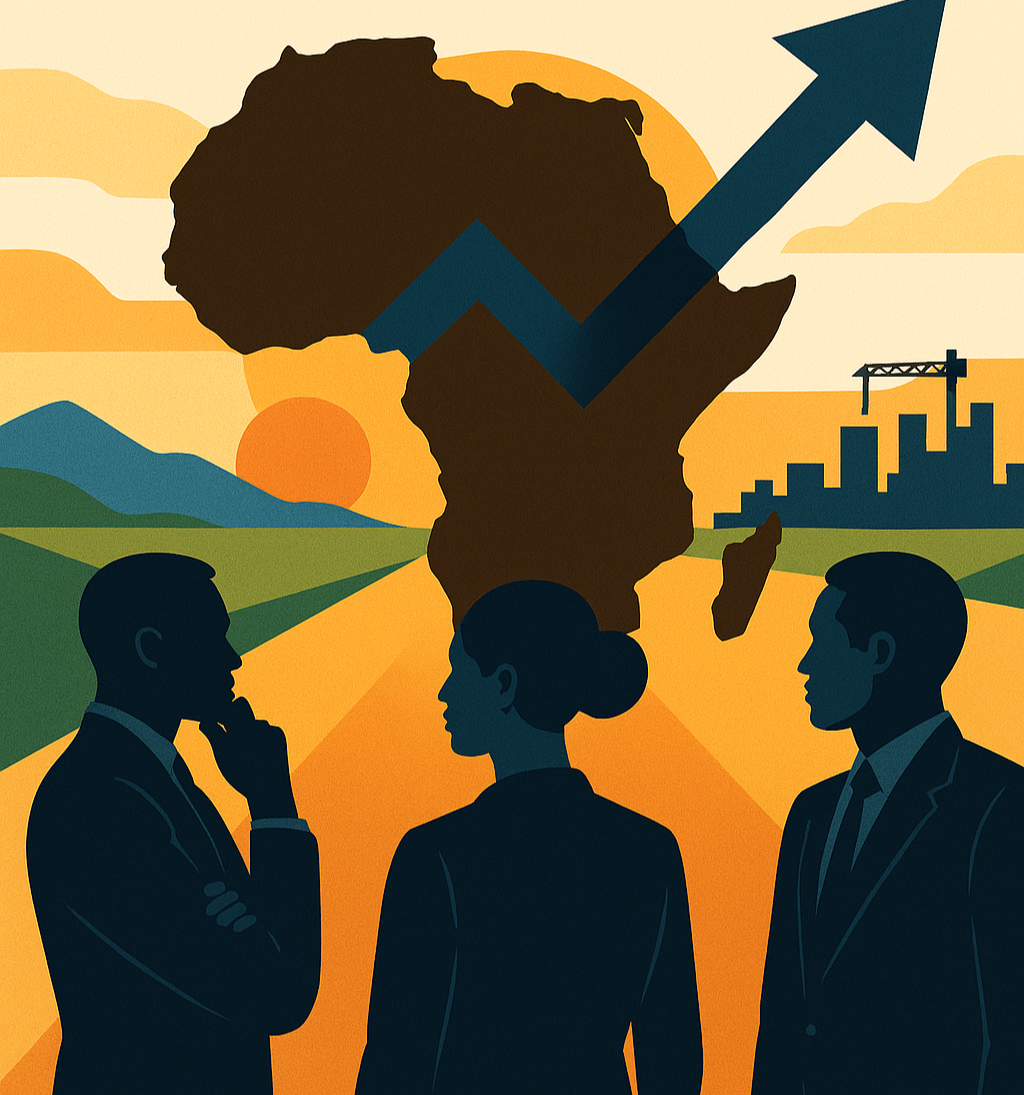
As Africa enters 2026, the continent faces critical challenges and opportunities that will define its future trajectory under new African Union leadership. This comprehensive analysis examines President Evariste Ndayishimiye's chairmanship amid escalating conflicts in the Democratic Republic of Congo, Sudan, Ethiopia, and the Sahel region, while exploring the urgent need to accelerate African Continental Free Trade Area (AfCFTA) implementation to boost intra-regional trade beyond the current 15-18%. The article provides in-depth coverage of evolving international partnerships, including the US-Africa Business Summit in Mauritius, China's $348 billion bilateral trade relationship and zero-tariff initiative, Russia-Africa Summit in Ethiopia, and the EU's €150 billion investment package, while analyzing how these partnerships align with Agenda 2063. Additionally, it addresses critical electoral vulnerabilities across Benin, Somalia, Ethiopia, Zambia, South Africa, and the Republic of Congo, the rise of Gen-Z political movements reshaping governance, debt sustainability concerns with China as Africa's largest bilateral lender, and the growing importance of diaspora remittances ($91 billion) as a development tool, offering strategic insights into how visionary leadership can coordinate diverse interests while prioritizing African prosperity and regional integration.
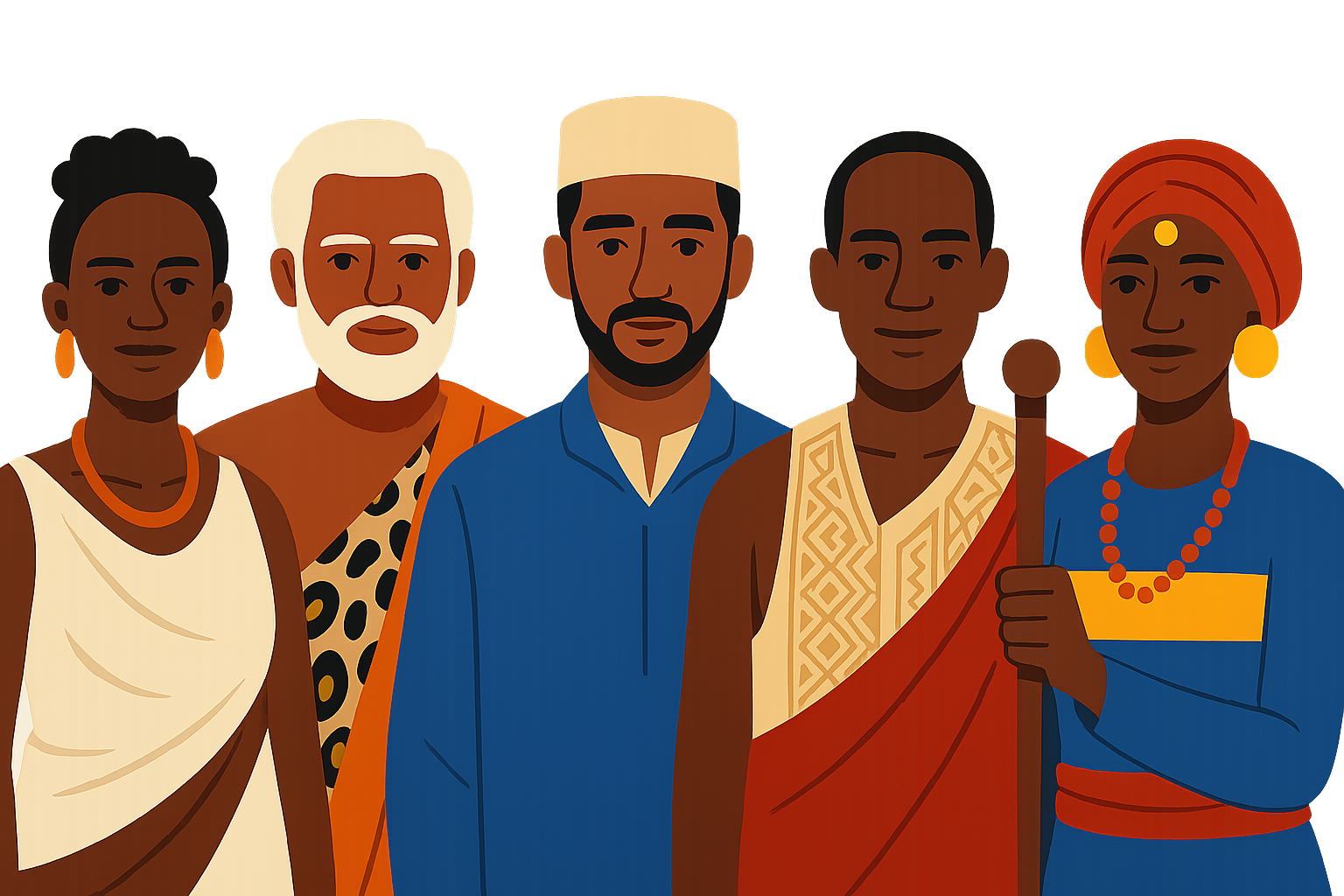
Discover five powerful African traditions—Gacaca, Ubuntu, Xeer, Abashingantahe, and Pulaaku—that offer practical lessons in restorative justice, ethical leadership, and community-based peacebuilding. This short piece explores how these indigenous systems of cultural heritage can guide modern leaders and communities toward reconciliation, social cohesion, and resilient governance in 2026 and beyond.
(For Mails Only):
9856 Towneway Dr.,
El Monte, CA 91733
info@partners-for-peace.com
(810) 796 5764
An in‑depth exploration of South Africa’s rising xenophobia and its stark contradiction to Ubuntu — the philosophy of shared humanity that shaped Mandela’s Rainbow Nation. Through history, data, and personal stories, this article exposes how anti‑migrant violence betrays Africa’s legacy of solidarity.”